
⚡ High-Performance Heating Alloys
Featured Resistance Alloys & Thermal Elements for NZ Industry
Precision-engineered high-temperature Ni-Cr and FeCrAl wire, foil, and element configurations supplied directly from factory-certified metallurgical lines to New Zealand industrial partners.
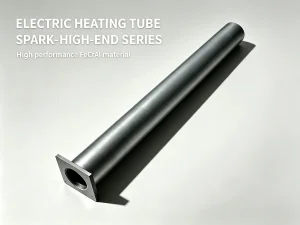
Wholesale Ultra-High Temperature FeCrAl Heating Tube 1425°C | China Suppliers & Factory for Industrial Applications Factory, Factories
Request NZ Quote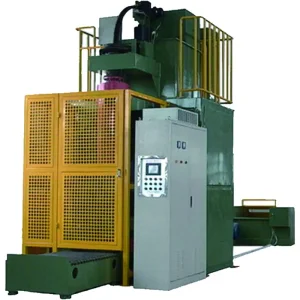
China Factory Price For China Chromel a Alloy Foil of High Resistivity Manufacturers, Quotes
Request NZ Quote
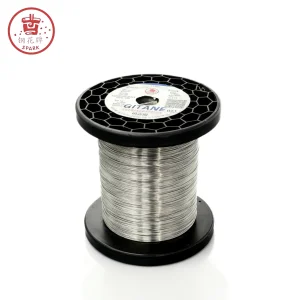
China China Suppliers High Quality 2.00mm 0Cr25Al5 Bare Heating Wire - Wholesale Factory Price ISO9001:2005 Suppliers, Factories
Request NZ Quote
🌐 Industrial Ecosystem Analysis
New Zealand’s Macro-Industrial Electrification & High-Temperature Alloy Demands
An in-depth whitepaper report examining how thermal engineering, geothermal power, food processing infrastructure, and carbon-neutral policies shape the requirement for high-reliability Nickel-Chromium (Ni-Cr) resistance alloys across Aotearoa New Zealand.
🏭
Dairy & Food Processing Infrastructure
New Zealand's agricultural export engine—dominated by mega-scale dairy processors in Waikato, Canterbury, and Southland—relies intensely on high-efficiency thermal processing. Spray drying towers, continuous pasteurization heat banks, and evaporation systems require non-contaminating, thermally stable heating elements capable of running 24/7 during peak milking seasons. Ni-Cr alloys (specifically NiCr 80/20 and NiCr 70/30) offer superior hot strength and oxidation resistance, ensuring zero oxide spallation or particulate contamination into food-grade sanitary processing streams.
🌋
Geothermal Energy & Aggressive Environments
The Taupō Volcanic Zone and Central North Island host world-leading geothermal power generation facilities. Harnessing superheated geothermal steam introduces extreme corrosive challenges, including trace sulfur compounds (H₂S) and high moisture vapor. Custom Ni-Cr alloy formulations enriched with localized rare-earth element doping provide protective chromium oxide (Cr₂O₃) passivating films. This chemical resilience prevents intergranular corrosion in downhole sensors, steam superheaters, and auxiliary load-bank heating systems operating across Rotorua and Taupō plants.
🌱
Decarbonization & Process Heat Electrification
Under New Zealand's Zero Carbon Act and Energy Efficiency and Conservation Authority (EECA) directives, industrial emitters in Auckland, Christchurch, and Dunedin are actively converting fossil-fuel process boilers to clean, electric resistance heating banks. High-resistivity Ni-Cr strip and coiled elements are fundamental to this industrial decarbonization transition. Their low thermal expansion coefficient and high ductability after prolonged heating ensure high thermal efficiency and prolonged lifecycle in retrofitted electric thermal storage units and high-temperature heat pumps.
🔬
Specialized Metallurgy & Marine Engineering
New Zealand’s marine fabrication hubs in Auckland and Nelson, alongside advanced aluminum extrusion facilities reliant on Tiwai Point smelter supply, demand specialized heat-treatment furnaces. Precise annealing, stress-relieving, and age-hardening operations require heating elements with exceptional thermal uniformity. Ni-Cr alloys retain high mechanical ductility even after repeated thermal cycling up to 1200°C, preventing sag, hot spots, and element distortion in heavy-duty industrial furnaces.
🔬 Metallurgical Engineering
Nickel-Chromium (Ni-Cr) Alloy Chemistry & High-Temperature Behavior
Understanding the phase stability, microstructural mechanics, and protective scale kinetics that distinguish premium Ni-Cr resistance materials from standard heating wires.
The Kinetics of Chromium Oxide (Cr₂O₃) Protective Scale Formation
When subjected to elevated temperatures in oxidizing atmospheres, Nickel-Chromium alloys form an adherent, protective oxide film composed primarily of chromia (Cr₂O₃) backed by an underlying nickel-chromite (NiCr₂O₄) spinel phase. Unlike Iron-Chromium-Aluminum (FeCrAl) alloys which rely on alumina (Al₂O₃) scales, Ni-Cr oxides possess remarkable flexural elasticity. This elasticity permits the heating element to expand and contract during high-frequency power switching without cracking or shedding the oxide film—a crucial advantage for industrial appliances, heat guns, and automated kiln systems across New Zealand.
| Alloy Grade | Nominal Composition | Max Temp (°C) | Resistivity at 20°C (μΩ·m) | Density (g/cm³) | Primary Industrial Applications in NZ |
|---|---|---|---|---|---|
| Cr20Ni80 (Chromel A / UNS N06003) | 80% Ni, 20% Cr | 1200°C | 1.09 ± 0.05 | 8.40 | Dairy drying heating banks, high-precision industrial furnace coils, marine stress-relieving mats. |
| Cr30Ni70 (UNS N06008) | 70% Ni, 30% Cr | 1250°C | 1.18 ± 0.05 | 8.10 | High-temperature industrial kilns, severe sulfur-free industrial heating, chemical process reactors. |
| Cr15Ni60 (Chromel C / UNS N06004) | 60% Ni, 15% Cr, Bal. Fe | 1150°C | 1.11 ± 0.05 | 8.20 | Domestic water heaters, floor heating mats, commercial toaster coils, low-temp bake ovens. |
| Cr20Ni35 | 35% Ni, 20% Cr, Bal. Fe | 1050°C | 1.00 ± 0.05 | 7.90 | Economical heating elements for medium-temperature convection heaters and industrial hot plates. |
| FeCrAl HRE (Comparative Fe-Base) | 25% Cr, 5.5% Al, +REE | 1350°C | 1.45 ± 0.07 | 7.10 | Powder metallurgy sintering, high-temp ceramic kilns, super-high watt-density tubular heaters. |
1. Watt Density Optimization
In design environments, surface watt density ($W/cm^2$) dictates element longevity. Ni-Cr alloys accept higher surface loads in air (up to 7-9 $W/cm^2$) due to high mechanical hot-strength, minimizing element sagging.
2. Hot-to-Cold Resistance Ratio
Ni-Cr exhibits a low and predictable temperature coefficient of resistance ($C_t$). This ensures stable electrical current draw from cold startup to 1100°C operational equilibrium without current spikes.
3. Post-Service Ductility
Unlike FeCrAl alloys which become embrittled after heating above 900°C, Ni-Cr retains structural ductility upon cooling. Elements can be repaired, reshaped, or maintenance-serviced without fracturing.
💎 Proven Factory Standards
Global Procurement & Manufacturing Metrics
Serving over 60 countries with precision alloy wire, strip, ribbon, and fabricated heating elements manufactured under strict ISO quality control protocols.
60+
Years Metallurgical Heritage
1250°C
Max Ni-Cr Service Temp
ISO 9001
Certified Quality System
100%
Traceable Melt Batches
Global Enterprise Procurement Assurance
International industrial procurement teams in New Zealand demand complete traceability. Every shipment of Ni-Cr wire or ribbon is accompanied by EN 10204 3.1 Mill Test Certificates (MTC), certifying chemical analysis via Inductively Coupled Plasma Optical Emission Spectrometry (ICP-OES), electrical resistivity, tensile strength, and elongation performance.
Rapid Logistics to Auckland & Regional Ports
We maintain streamlined export channels directly to Ports of Auckland, Tauranga, and Lyttelton (Christchurch). Utilizing moisture-sealed vacuum packaging and rust-inhibiting wooden spools/crates, our alloy shipments survive maritime transport intact and ready for immediate furnace assembly or re-spooling.
Need Direct Factory Quotations for New Zealand Projects?
Whether you require bulk spools of Cr20Ni80 bare wire, micro-ribbon for precision instruments, or pre-wound spiral elements, our engineering team provides rapid factory-direct pricing within 24 hours.
Send Inquiry Now
🛠️ Engineering Solutions
Targeted Macro Solutions for New Zealand Industrial Sectors
Customized material formulations and thermal delivery designs tailored to solve specific high-heat challenges in Australasian manufacturing.
⚙️
Dairy Spray Dryer Retrofits
Eliminate gas burner maintenance and CO₂ emissions by retrofitting spray drying air heaters with heavy-gauge Cr20Ni80 wave-shaped element banks. High mechanical rigidity prevents short circuits under heavy airflow, while zero scale flaking maintains compliance with stringent food hygiene regulations.
🔥
Geothermal Steam Superheating
In geothermal reinjection and steam superheating systems containing trace H₂S, standard iron-bearing alloys undergo rapid degradation. Premium 70/30 Ni-Cr alloys provide an impermeable oxide barriers, extending heater life up to 300% in corrosive steam environments.
⚡
High-Density Cartridge Elements
For medical device manufacturers, precision plastics molding, and scientific instruments in Wellington and Auckland, our ultra-pure Ni-Cr micro-wires offer exceptional dimensional uniformity and tight resistance tolerances (±3%) per meter.
📦 Full Product Portfolio
Explore Additional Resistance Alloys & Industrial Heating Tubes
Browse our certified range of FeCrAl, Ni-Cr, and structural heating elements engineered for high-temperature furnace applications across New Zealand.

China High-Performance 0Cr23Al5 Alloy Wire from China Suppliers - Factory Made for High-Temperature and Oxidation Resistance Suppliers, Factory
Request NZ Quote
China China Suppliers Factory - SPARK Cr20Ni80 Electric Heating Wire / Resistance Wire for High-Temperature Applications Manufacturer, Factories
Request NZ Quote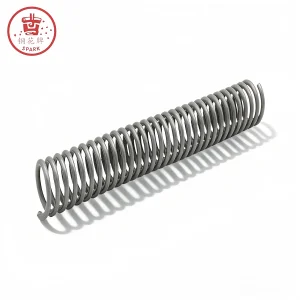
Wholesale High-Quality NiCr & FeCrAl Electric Heating Elements from China Suppliers | Shougang Gitane Factory Supplier, Pricelist
Request NZ Quote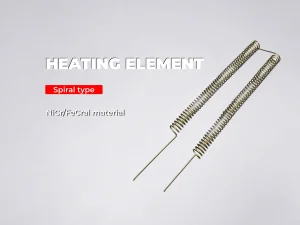
Wholesale High-Performance Spiral Heating Elements from China Suppliers | FeCrAl & NiCr Factory for High Temperatures Pricelist, Quotes
Request NZ Quote
China Golden Finished SPARK Electric Heating Wire - High-Quality Alloy from China Factory & Trusted Suppliers Manufacturer, Manufacturers
Request NZ Quote
Wholesale High-Performance SGHT Steel Tubes - Trusted China Suppliers & Factory for Energy and Petrochemical Industries Manufacturers, Pricelist
Request NZ Quote
China High-Performance SPARK 0Cr20Al6 Electric Heating Wire 1350℃ - China Suppliers & Factory for Optimal Heating Solutions Supplier, Factories
Request NZ Quote
China GITANE: China Suppliers of Customized Industrial Furnaces from a Reliable Factory for Efficient Heating Solutions Supplier, Pricelist
Request NZ Quote
📋 Compliance & Freight
Localized Regulatory Compliance & Supply Chain Logistics for NZ
Ensuring smooth import clearance, tariff alignment, and technical compliance under AS/NZS industrial standards.
1. Standards Alignment (AS/NZS & International)
All exported Ni-Cr wire and heating element assemblies comply with relevant international specifications including ASTM B344 (Standard Specification for Drawn or Rolled Nickel-Chromium Alloys), DIN 17470, and GB/T 1234-2012. When integrated into New Zealand equipment, our products seamlessly meet the requirements of AS/NZS 3000 (Electrical Installations / Wiring Rules) and industrial machine safety guidelines, ensuring effortless sign-off by local electrical inspectors and IPENZ-certified engineers.
2. Customs Classification & Trade Documentation
Importing resistance alloys into New Zealand requires accurate Harmonized System (HS) code documentation to streamline Customs Service (NZCS) processing. Typical classifications include:
- HS Code 7505.22: Nickel alloy wire (Ni-Cr bare wire).
- HS Code 7506.20: Nickel alloy plates, sheets, strip, and foil.
- HS Code 8516.80: Electric heating resistors (fabricated elements).
We supply full commercial invoices, packing lists, Certificate of Origin (COO), and MTCs for instant border clearance.
❓ Technical Q&A
Frequently Asked Questions by New Zealand Engineers & Buyers
Direct metallurgical answers to help procurement officers and thermal designers evaluate Ni-Cr alloys for local applications.
Why choose Ni-Cr alloys over FeCrAl alloys for industrial heaters in New Zealand?
While FeCrAl alloys offer higher maximum operating temperatures (up to 1425°C), Ni-Cr alloys (like Cr20Ni80) provide superior hot strength and retain complete mechanical ductility after high-temperature exposure. This means Ni-Cr elements do not become brittle when cooled, allowing easy servicing, coil adjustment, or relocation. Additionally, Ni-Cr alloys resist green-rot corrosion in reducing atmospheres and offer superior performance under rapid thermal cycling conditions frequently encountered in NZ food processing and heat-treatment plants.
What delivery forms of Ni-Cr alloys are available for export to NZ?
We supply Ni-Cr resistance alloys in a full spectrum of delivery forms: round bare wire (from 0.05mm to 12.0mm diameter), flat ribbon wire, cold-rolled strip/foil (widths from 5mm to 250mm, thickness from 0.1mm to 3.0mm), pre-wound spiral coils, wave-shaped elements, and custom tubular heating elements built to customer engineering drawings.
How does NiCr 80/20 perform in sulfur-bearing geothermal environments?
In atmospheres containing trace sulfur (H₂S or SO₂), nickel-rich alloys can suffer from nickel sulfide eutectic formation at temperatures above 645°C. For geothermal applications with sulfur gas exposure, we recommend either our specialized high-chromium 70/30 Ni-Cr alloy or utilizing sealed protective sheath tubes with MgO insulation. Contact our engineering desk for specific gas concentration assessments.
What is the standard lead time for shipping to Auckland or Christchurch?
Standard production lead time for custom drawn or rolled Ni-Cr wire and strip is 10 to 15 business days. Maritime freight from main Chinese ports to Auckland, Tauranga, or Lyttelton typically takes 14 to 20 days. For urgent plant maintenance or repair shutdowns, air freight delivery via Auckland International Airport (AKL) can be arranged within 5 to 7 days total turn-around.
Can you match custom electrical resistance specifications ($\Omega/m$)?
Yes. Our precision drawing and annealing production lines achieve wire resistance tolerances as tight as ±3% of nominal target values per meter. Every spool is batch-tested and labeled with calibrated resistivity at 20°C for seamless integration into automated winding systems.
🤝 Partner with Us
Accelerate Your Thermal Projects in New Zealand
Gain competitive edge with direct manufacturer quotes, certified alloy chemistry, and dedicated engineering consultation for your heating wire, strip, and custom furnace element requirements.