Wholesale High-Performance Spiral Heating Elements from China Suppliers | FeCrAl & NiCr Factory for High Temperatures Pricelist, Quotes
Product Description
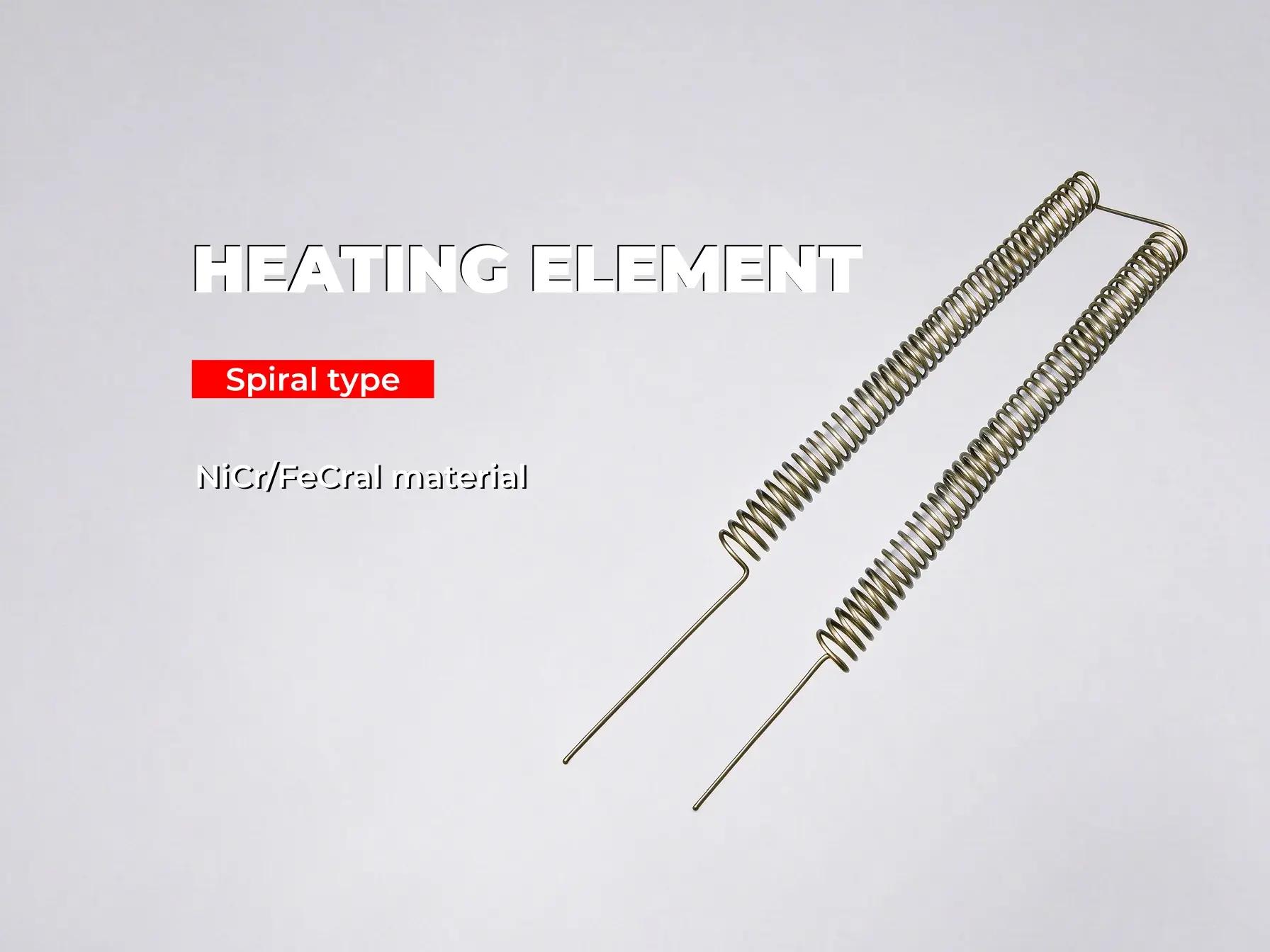
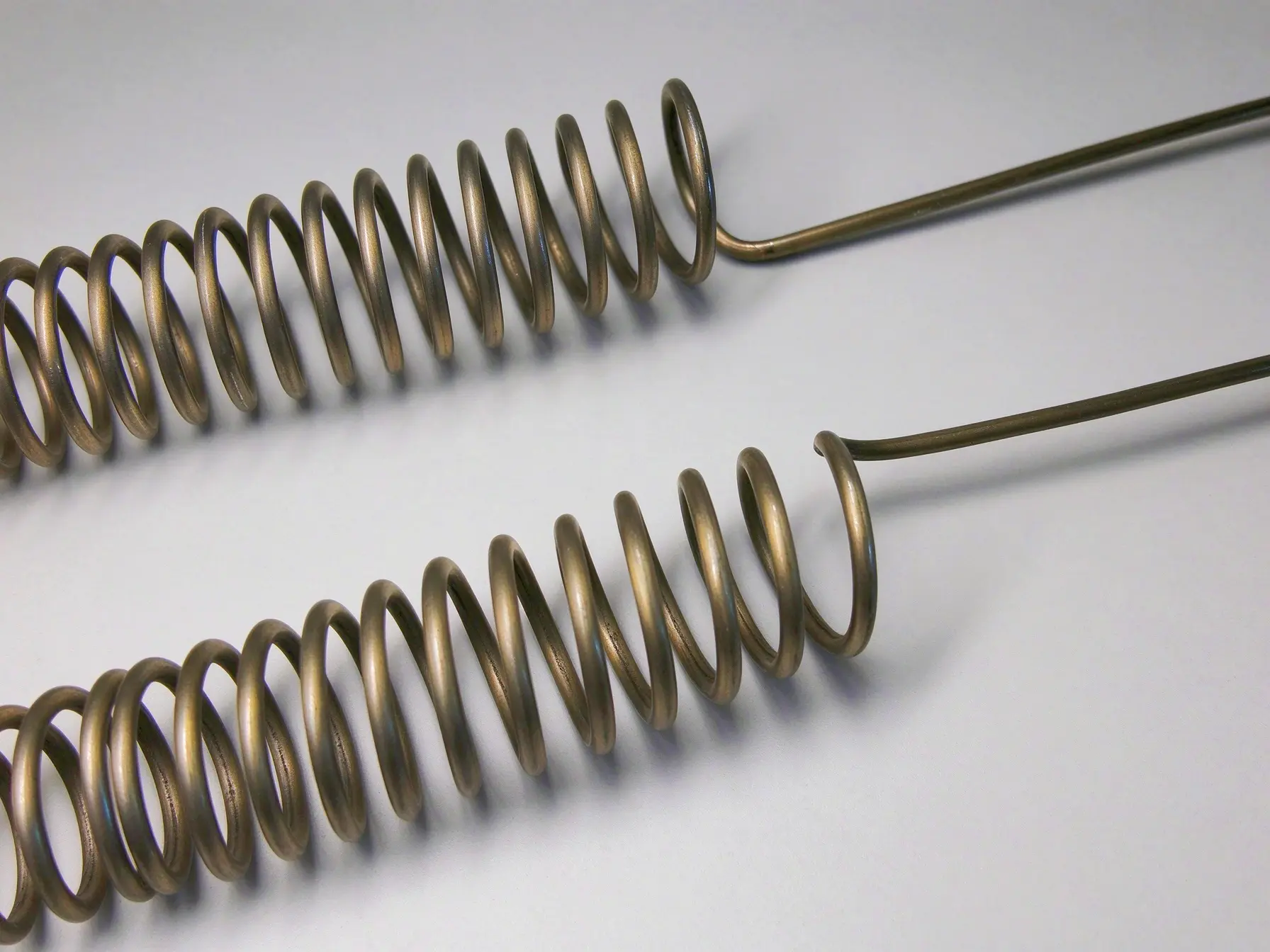
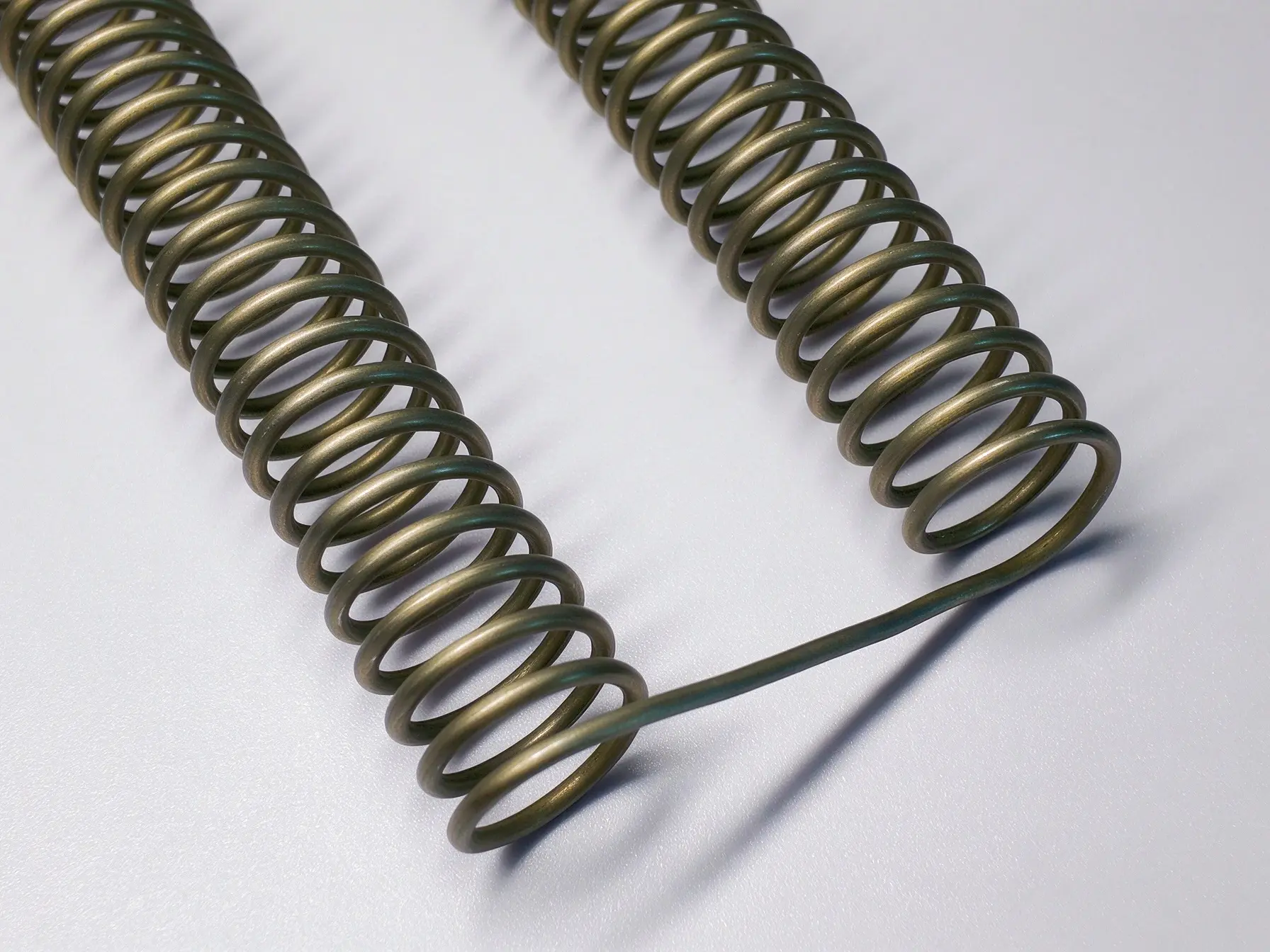
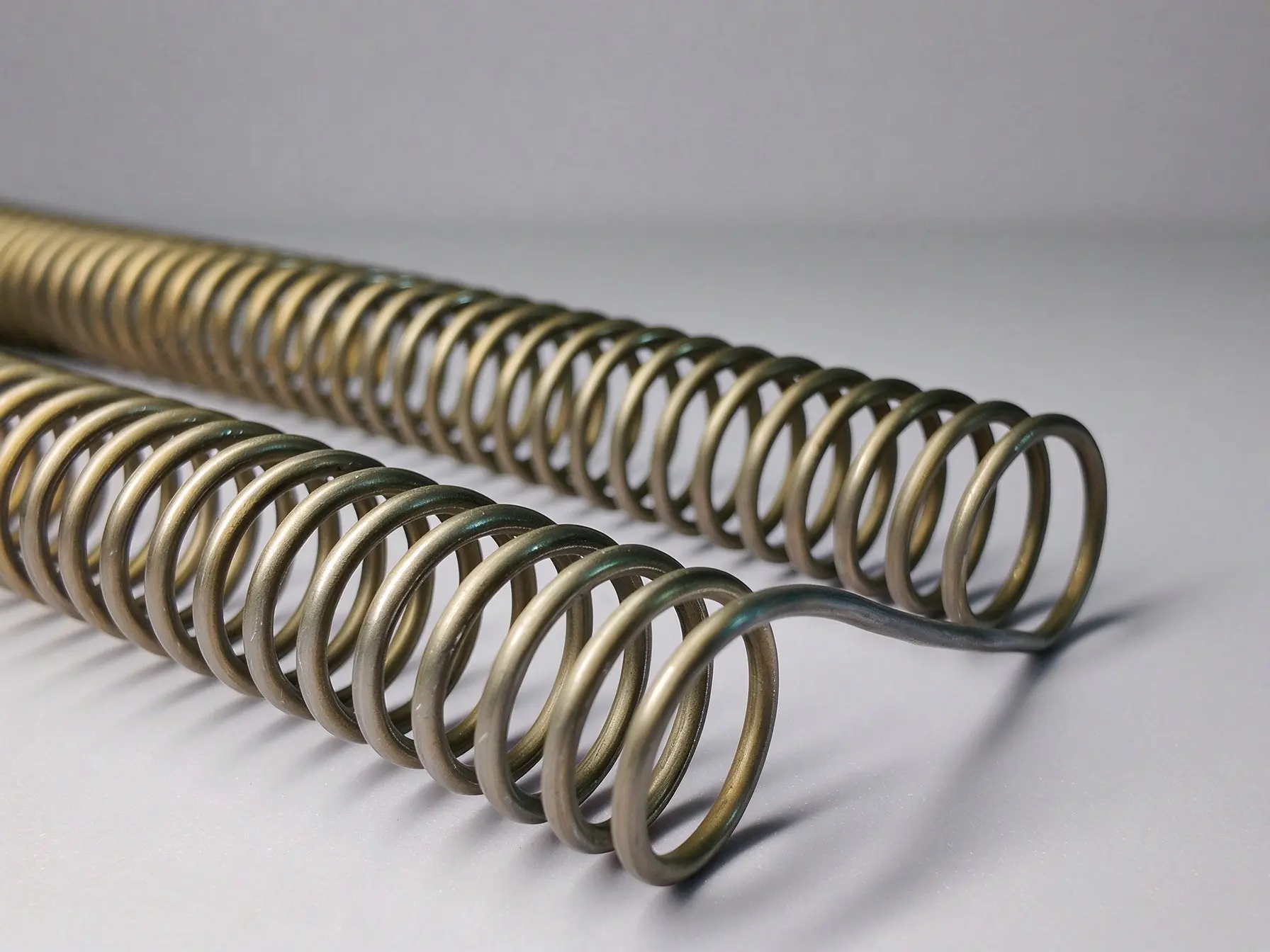
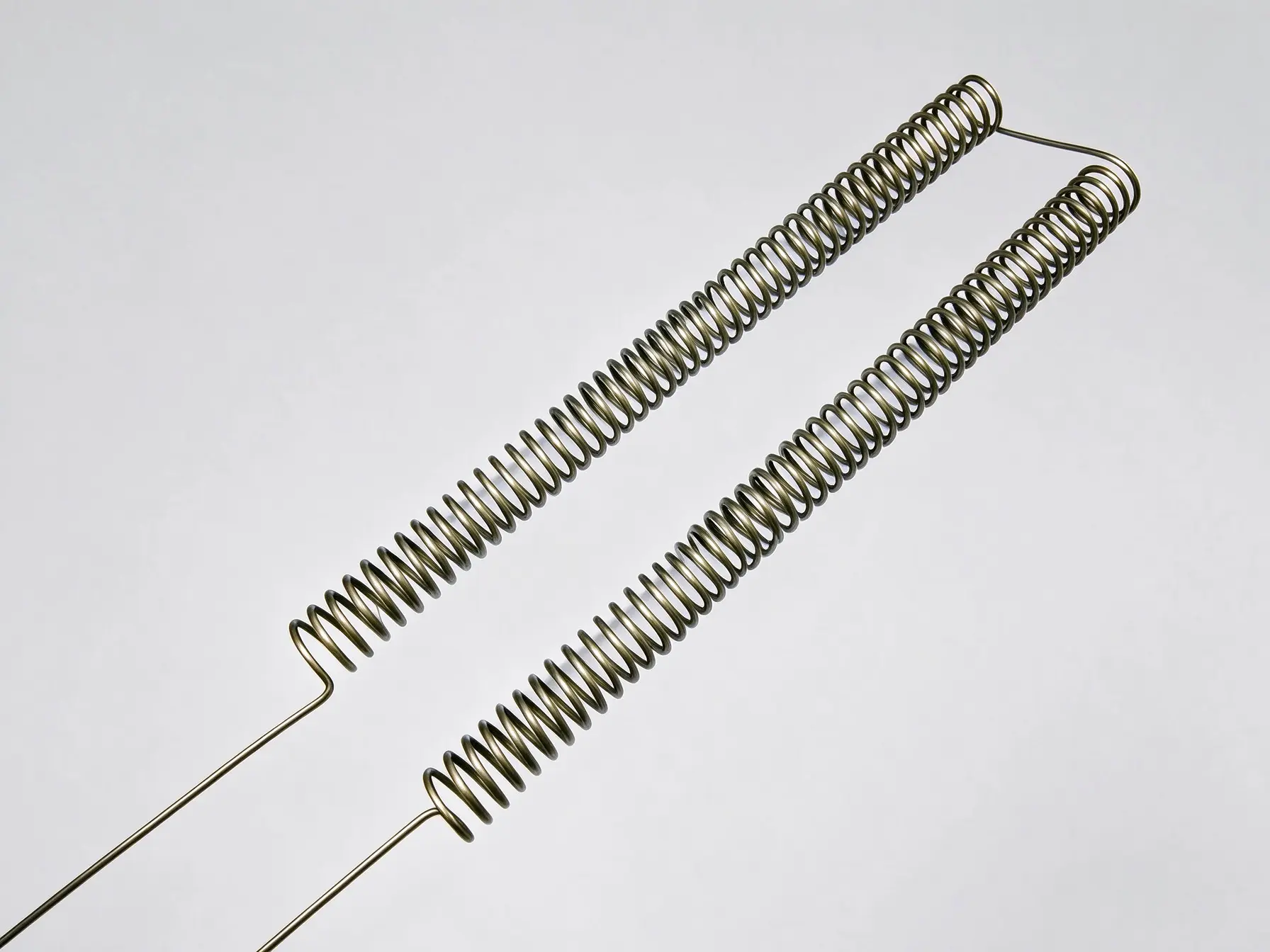
Spiral heating elements, also known as coiled resistance heaters, are the most widely used core heat-generating components in industrial electric heating systems. Precisely wound from electric heating alloy wires into a helical configuration, they deliver concentrated and uniform thermal output, and are fully compatible with box furnaces, pit furnaces, bogie hearth furnaces, diffusion furnaces and custom-built heating equipment.
We supply a full range of spiral heating elements in two core material systems: Fe-Cr-Al (Iron-Chromium-Aluminum) and Ni-Cr (Nickel-Chromium), covering service temperatures from 950°C to 1425°C. Our products match the performance standards of leading international brands and serve as direct drop-in replacements for imported equivalents, meeting the stringent requirements of high-end sectors including semiconductors, photovoltaics, premium glass, clean energy storage and industrial heat treatment.
The maximum service temperature, service life and deformation resistance of spiral heating elements are fundamentally determined by the base alloy. Leveraging our independently developed full range of electric heating alloys, we provide over ten grades across two material systems to precisely match varying temperature, atmosphere and service life requirements.
Fe-Cr-Al alloys are the dominant choice for high-temperature industrial heating applications, thanks to their high maximum service temperature, low material density and excellent high-temperature oxidation resistance. For the same power output, Fe-Cr-Al elements require less material than Ni-Cr equivalents, delivering better overall cost efficiency.
- Ultra-high temperature grade (SGHT): Maximum continuous service temperature of 1425°C. Manufactured from refined master alloy via powder metallurgy, with special thermomechanical processing and heat treatment. It features strong oxidation resistance, excellent high-temperature corrosion resistance, minimal high-temperature creep, low resistance drift and superior winding formability. Ideal for demanding conditions such as high power density, corrosive atmospheres and carburizing atmospheres, suitable for ceramic kilns, ultra-high temperature heat treatment furnaces, semiconductor diffusion furnaces and laboratory high-temperature furnaces.
- High-performance grade (SGHYZ, HRE, 0Cr21Al6Nb): SGHYZ offers a maximum continuous service temperature of 1400°C, representing our third-generation high-temperature FeCrAl material with excellent creep resistance, stable oxidation resistance and high hot strength. HRE and 0Cr21Al6Nb offer a maximum continuous service temperature of 1350°C, with high resistivity and outstanding sag resistance. This series fills the domestic gap in electric heating materials above 1350°C, and is suitable for photovoltaic wafer heat treatment, semiconductor wafer processing, automotive and display glass heat treatment, urban clean heating energy storage and low-nitrogen combustion metal fiber heating.
- General high-temperature grade (0Cr25Al5, 0Cr23Al5, 00Cr20Al6): Maximum continuous service temperatures ranging from 1200°C to 1300°C. 00Cr20Al6 is an ultra-low carbon grade with uniform composition, tight dimensional tolerances and excellent formability, widely used in conventional industrial resistance furnaces, liquefied gas infrared heating grids, fuel vehicle exhaust purification carriers, muffle furnaces and premium household appliance heating components.
Ni-Cr alloys feature an austenitic structure with excellent room-temperature formability, post-service ductility and weldability. They offer outstanding thermal shock resistance, resist brittle fracture under rapid thermal cycling, and maintain stable resistance characteristics in medium-low temperature operations, making them ideal for heating equipment with frequent start-stop cycles.
- High-temperature Ni-Cr grade (Cr30Ni70, Cr20Ni80, Cr20Ni80S): Maximum service temperatures of 1200°C to 1250°C. Cr30Ni70 provides excellent green-rot corrosion resistance, suitable for industrial furnace scenarios with specific carbon-nitrogen atmospheres. Cr20Ni80 delivers outstanding resistance stability, widely used in plastic molds, sheathed tubular elements and premium home appliance heating components. Cr20Ni80S is modified with zirconium addition for significantly longer service life than conventional Cr20Ni80.
- General Ni-Cr grade (Cr15Ni60, Cr20Ni40): Maximum service temperatures of 1100°C to 1150°C, suitable for storage heaters, industrial dryers, HVAC heating systems and industrial resistors.
- Special custom grade (SG240, SG140): Developed exclusively for tempered glass furnace applications. SG240 features excellent oxidation and corrosion resistance and strong deformation resistance, suitable for open coil heating elements. SG140 produces no brown oxide scale peeling at medium-low temperatures, with minimal high-temperature creep and deformation, making it the dedicated choice for the tempered glass furnace industry.
Fe-Cr-Al elements form a dense aluminum oxide protective film on the surface at high temperatures, with oxidation weight gain after 200 hours at 1050°C far below the industry average. Ni-Cr elements have strongly adherent oxide films that resist peeling under thermal shock. Laboratory accelerated life tests show that SGHYZ achieves ≥80 hours of service life at 1350°C, and Cr30Ni70 achieves ≥160 hours at 1200°C. SGHT delivers significantly longer service life than conventional FeCrAl materials above 1400°C, matching the real-world performance of leading international brands in industrial applications.
All alloys feature tight resistivity tolerances. High-performance FeCrAl grades control resistivity deviation within ±0.07 Ω·mm²/m at 20°C, with stable temperature coefficients of resistance. This ensures minimal power fluctuation during heating and higher equipment temperature control accuracy. Fe-Cr-Al alloys generally have higher resistivity than Ni-Cr grades, reducing material consumption for equivalent power requirements and lowering overall element cost.
Premium grades such as SGHT, SGHYZ and HRE exhibit outstanding high-temperature deformation resistance, with deflection after long-term holding at 1300°C far below conventional industry levels. The helical coil shape resists deformation and collapse, preventing short circuits and local overheating caused by element distortion, and significantly reducing equipment maintenance frequency and downtime risk.
Parameters including inner coil diameter, coil pitch, wire diameter and total length can be customized to match customer equipment requirements. Wire diameters from 0.05mm to 10mm are available, covering applications from micro precision heating devices to large industrial furnaces. Multiple delivery finishes are available, including oxidized, bright, blue and golden, to suit different installation and operating environments.
- Advanced manufacturing: Semiconductor wafer heat treatment furnaces, photovoltaic mono/polycrystalline silicon diffusion furnaces, automotive and display glass tempering furnaces, meeting ultra-high temperature clean heating requirements from 1200°C to 1425°C.
- Industrial heat treatment: Bogie hearth furnaces, pit furnaces, controlled atmosphere furnaces, muffle furnaces and other industrial resistance furnaces for metal heat treatment, ceramic sintering and powder metallurgy.
- Energy and environmental protection: Clean heating energy storage units, low-nitrogen combustion fiber heating assemblies, fuel vehicle exhaust purification carrier heating.
- Home appliances and commercial equipment: Premium water heaters, industrial dryers, HVAC heating systems, plastic mold heating, food baking equipment.
Selection of spiral heating elements should be based on comprehensive consideration of operating temperature, equipment power, installation space, ambient atmosphere and other factors:
- Temperature matching: The maximum service temperature of the element should be 100°C to 150°C higher than the actual furnace temperature to reserve a safety margin and avoid long-term operation at limit temperature.
- Surface load control: Select appropriate surface load based on material, furnace temperature and heat dissipation conditions. Reducing surface load is recommended for high-temperature conditions to extend element service life.
- Atmosphere compatibility: For special atmospheres containing sulfur or hydrogen, select specifically adapted materials to avoid corrosion failure.
- Support structure: Use with ceramic tubes, refractory bricks and other support structures to further improve high-temperature deformation resistance.
Full-process quality management complies with ISO 9001 standards. All products meet EU ROHS and REACH regulations, with 100% inspection of key performance indicators before delivery. With our in-house R&D and production base in Beijing, we have full vertical manufacturing capability from alloy melting to finished coil winding. Standard specifications offer stable lead times, supporting both small-batch customization and mass production. We provide professional technical support and after-sales service to customers worldwide.