
Industrial Heating Equipment & Alloy Supply
Direct factory supply of certified industrial furnaces, heating wire elements, and high-temp resistance alloys for global industrial operations.

Wholesale GITANE Professional Customized Industrial Furnaces
View Product Details →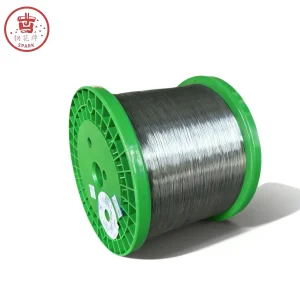
China High-Performance SPARK 0Cr20Al6 Heating Wire 1350℃
View Product Details →
China High Performance SGHT Steel Tube Material for Energy
View Product Details →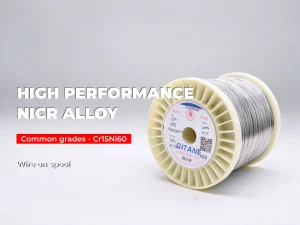
China Cr15Ni60 1150°C NiCrFe Bright Spool Heating Wire
View Product Details →
Wholesale High-Temperature 0Cr23Al5 Electric Heating Wire
View Product Details →
High-Performance Electric Heating Wire SPARK 0Cr20Al6
View Product Details →
Wholesale Spiral Electric Heating Elements Custom Factory
View Product Details →
Wholesale Cr20Ni40 Nickel Chrome High Temp Heating Wire
View Product Details →Global Industrial Furnace Market Dynamics & Thermal Transformation
An in-depth analysis of high-temperature thermal processing technologies, decarbonization imperatives, and material science innovations shaping modern global manufacturing.
The global market for industrial furnaces,kilns, and thermal processing equipment is experiencing a seismic paradigm shift driven by stringent decarbonization targets, accelerating electrification, and the demand for ultra-precise high-temperature materials processing. From automotive heat treating and aerospace superalloy annealing to semiconductor crystal growth and photovoltaic silicon synthesis, industrial furnaces serve as the indispensable backbone of advanced global manufacturing.
As heavy industry shifts away from traditional fossil-fuel combustion toward high-efficiency electric resistance heating and clean-energy thermal systems, industrial furnace manufacturers and suppliers must deliver unprecedented thermal uniformity, superior energy efficiency, and extended component operational lifetimes. Selecting the optimal thermal system requires an intimate understanding of electrothermal metallurgy, furnace atmosphere kinetics, insulation dynamics, and automated PID control frameworks.
Thermal processing efficiency is no longer dictated solely by furnace cavity dimensions, but by the thermodynamic compatibility of the electric heating elements (FeCrAl vs. NiCr alloys) with the process atmosphere (reducing, oxidizing, or inert) and the maximum continuous surface watt loading limit (W/cm²).
Industrial Furnace Classifications & Engineering Architectures
A comprehensive taxonomy of modern industrial furnaces categorized by energy source, atmospheric control, and mechanical operation.
Electric Resistance Furnaces
Utilizing high-performance FeCrAl (e.g., 0Cr25Al5, SGHT) or NiCr (e.g., Cr20Ni80) wire elements, ribbons, and ceramic heating modules to provide extremely precise, localized, and contamination-free radiant heating up to 1425°C.
Atmosphere Controlled Furnaces
Engineered for bright annealing, carburizing, nitriding, and sintering where gas environments (Endothermic, Nitrogen, Argon, Hydrogen, or Dissociated Ammonia) prevent oxidation and actively alter alloy surface chemistry.
Vacuum Heat Treatment Furnaces
High-vacuum and ultra-high-vacuum system configurations designed for critical aerospace titanium processing, refractory metal brazing, and high-purity powder metallurgy sintering free from gaseous contaminants.
Continuous Conveyor & Rotary Kilns
Automated mesh-belt, pusher-type, roller-hearth, and rotary tube furnace architectures designed for high-throughput inline industrial calcination, tempering, and continuous heat treatment lines.
Induction Melting & Heating Systems
Electromagnetic induction furnaces operating across low, medium, and radio frequencies for rapid metal melting, localized surface hardening, tube welding, and billet heating with minimal thermal lag.
Custom Batch & Bell Furnaces
Flexible heavy-duty box, pit, drop-bottom, and shuttle kiln designs engineered for custom geometries, heavy steel coil annealing, wire rod treatment, and structural ceramic firing.
China's Factory Efficiency & Industrial Advantage
How end-to-end metallurgical synthesis, modern cluster infrastructure, and advanced process engineering deliver unprecedented value to global procurement officers.
Over the past three decades, China has evolved from a regional equipment fabricator into the world's primary hub for high-temperature electrothermal material innovation and advanced furnace engineering. Facilities like Beijing Shougang Gitane New Materials Co., Ltd. (SPARK) embody this transition, backed by over 60 years of specialized metallurgical expertise within the world-renowned Shougang Group ecosystem.
The core competitive advantage of sourcing industrial furnaces and high-temperature heating alloys from premier Chinese OEMs lies in total vertical integration. Rather than relying on third-party raw material suppliers, integrated manufacturers control every step of the industrial value chain:
Upstream Alloy Synthesis & Vacuum Melting
By operating proprietary vacuum induction melting (VIM), electroslag remelting (ESR), and continuous hot-rolling facilities, manufacturers ensure precise chemistry control (e.g., maintaining ultra-low carbon impurities and strict rare-earth element additions like Yttrium and Zirconium in FeCrAl alloys).
Precision Wire Drawing & Element Fabrication
In-house cold drawing, bright annealing, and ribbon rolling lines yield exact wire diameter tolerances (±0.01mm) and perfectly uniform electrical resistivity, eliminating localized hotspots in final furnace coils.
Advanced Thermal Insulation Integration
Direct synergy with domestic suppliers of high-purity polycrystalline alumina fiber, ceramic fiber blankets, and lightweight refractory bricks enables ultra-compact furnace wall designs that drastically reduce thermal mass and parasitic heat losses.
Modular Assembly & Automated PLC Testing
Standardized modular structural designs allow rapid customization, pre-shipment trial heating runs, and seamless integration with Siemens or Omron PLC systems featuring multi-zone PID temperature control and real-time remote telemetry.
High-Temperature Electrothermal Alloy Selection Matrix
Comparative metallurgical specification breakdown per GB/T 1234-2012 and global industrial standards for furnace design engineers.
| Alloy Grade | Material Family | Max Service Temp | Resistivity @ 20°C (μΩ·m) | Oxidation Scale Layer | Primary Industrial Applications |
|---|---|---|---|---|---|
| SPARK SGHT | FeCrAl (PM Method) | 1425°C | 1.45 | α-Al₂O₃ (Ultra-Dense) | Semiconductor oxidation, high-purity ceramic sintering, powder metallurgy. |
| SPARK SGHYZ | FeCrAl + Rare Earth | 1400°C | 1.42 | α-Al₂O₃ + Yttrium Oxide | Ultra-high-temp kilns, diffusion furnaces, carbon atmosphere resistance. |
| SPARK HRE | FeCrAl Grade | 1350°C | 1.40 | α-Al₂O₃ Protective Scale | Industrial heat treating, tool hardening, continuous conveyor kilns. |
| 0Cr25Al5 / 0Cr23Al5 | FeCrAl Standard | 1250°C | 1.35 - 1.42 | Adherent Alumina Film | General industrial heating box furnaces, radiant tubes, ceramic element plates. |
| Cr20Ni80 (Nichrome) | NiCr Austenitic | 1200°C | 1.09 | Cr₂O₃ Chromia Scale | Frequent cycling kilns, nitrogen atmosphere heating, domestic & laboratory equipment. |
| Cr30Ni70 | NiCr Austenitic | 1250°C | 1.18 | High-Cr Chromia Oxide | Sulphur-free reduction furnaces, precision medical heat treating, specialty element coils. |
Metallurgical Selection Criteria: FeCrAl alloys (Iron-Chromium-Aluminum) form a self-healing, non-porous alpha-alumina (α-Al₂O₃) surface film at high temperatures, offering superior oxidation resistance, higher electrical resistivity, and roughly 15% lower density compared to NiCr alloys. This translates into significant material weight savings and longer service life above 1200°C. Conversely, NiCr alloys (Nickel-Chromium) maintain outstanding post-heating ductility, mechanical hot-strength, and non-magnetic properties, making them ideal for applications requiring frequent heating-cooling cycling or mechanical flexibility.
Localized Application Scenarios & Engineering Field Use
Tailored thermal solutions engineered to satisfy rigorous industry-specific process specifications globally.
Aerospace Superalloy Vacuum & Solution Annealing
Aerospace components forged from Nickel-based superalloys or Titanium alloys demand strict temperature uniformities within ±3°C across the entire working zone. Custom multi-zone vacuum electric furnaces fitted with SPARK SGHT heating tubes and molybdenum radiation shields prevent hydrogen embrittlement and surface decarburization during critical stress-relief cycles.
Photovoltaic Silicon Ingot & Solar Cell Sintering
In PV solar wafer manufacturing, polycrystalline silicon crystal pulling and wafer oxidation require ultra-clean heating chambers free from particulate shedding. High-purity alumina ceramic fiber plates embedded with SPARK 0Cr20Al6 resistance wire provide precise thermal gradients at 1350°C, drastically improving single-crystal conversion yield rates.
Automotive Powertrain Gear Carburizing & Hardening
Continuous pusher heat treatment lines utilizing gas carburizing (CH₄/CO endothermic gas) rely on heavy-duty radiant tube heating elements. Engineered FeCrAl alloy ribbons (0Cr25Al5) resist soot deposition and thermal shock during rapid oil-quenching cycles, maintaining high furnace throughput for automotive transmission gears.
Lithium-Ion Battery Cathode Material Calcination
Manufacturing Lithium Iron Phosphate (LFP) or NCM cathode materials demands roller hearth kilns capable of continuous operation in corrosive alkaline gas environments. Specialized ceramic fiber module heaters constructed with SPARK SGHYZ alloy wire prevent oxide spallation, ensuring zero batch contamination in energy storage production lines.
Technological Trends Driving Next-Gen Industrial Thermal Processing
Innovations in digital twin simulation, artificial intelligence PID tuning, and green electric heating conversions.
AI-Driven Predictive Maintenance
Modern industrial furnace control panels integrate IoT vibration sensors, thermocouple degradation trackers, and machine learning algorithms that analyze electrothermal resistance drift over time, predicting heating element failure days before breakdown occurs.
Hybrid Gas-Electric Conversion
To reduce Scope 1 greenhouse gas emissions, multinational metal processors are retrofitting traditional gas burner systems with hybrid electric immersion heaters and high-density FeCrAl radiant coils, cutting facility carbon footprints by up to 60%.
Ultra-Low Mass Nano-Insulation
Aerogel-enhanced ceramic fiber linings reduce total furnace structural weight while lowering outer skin radiation temperatures below 45°C. This accelerates heating/cooling cycle times and dramatically decreases factory HVAC cooling loads.
Global Procurement Checklist & Quality Assurance Framework
How international engineering firms verify vendor reliability, certification authenticity, and total lifetime cost of ownership.
When procuring industrial furnaces or electrothermal alloys from overseas manufacturers, technical buyers must implement a thorough multi-step auditing protocol to ensure long-term equipment reliability and avoid expensive production stoppages.
1. Mill Test Reports (MTR) & Traceability
Insist on complete batch certification in compliance with ISO 9001 and GB/T 1234-2012 standards. MTRs must detail chemical composition percentages (Spectrometer Analysis), room temperature electrical resistance (Ω/m), tensile strength, and elongation limits.
2. Surface Watt Density Loading Calculation
Verify that element surface loading (W/cm²) matches the intended process atmosphere. Exceeding recommended watt density thresholds (e.g., operating above 2.5 W/cm² in reducing gases) causes premature hot-spot formation and coil burnout.
3. Accelerated High-Temperature Life Testing
High-quality alloy manufacturers subject heating wire samples to standardized 50-hour continuous high-temperature accelerated oxidation tests at 1350°C–1400°C to evaluate oxide scale adhesion and resistance to creep deformation.
4. Spare Parts Availability & Technical Support
Ensure your supplier maintains a stock of standard wire spools, pre-wound spiral coils, ceramic mounting spools, and thermocouple assemblies, accompanied by English-language engineering drawings and remote field installation guidance.
High-Temperature Alloy & Element Sourcing
Direct factory pricing on specialized heating wires, seamless heat exchanger tubes, and custom furnace components.

Wholesale China Cr30Ni70 Durable High Temp Alloy Wire
View Product Details →
Wholesale SG140 Alloy for High Performance Tempering Furnace
View Product Details →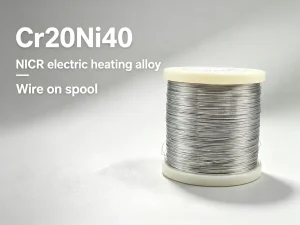
Wholesale China Cr20Ni40 Nickel Chrome Resistance Wire
View Product Details →
Wholesale SG140 Heating Wire for Industrial Heat Treatment
View Product Details →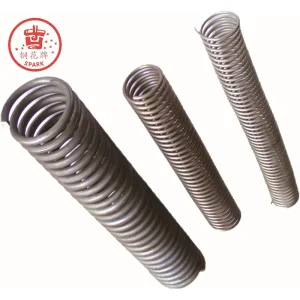
Wholesale China St35.8 High Pressure Heat Exchanger Tube
View Product Details →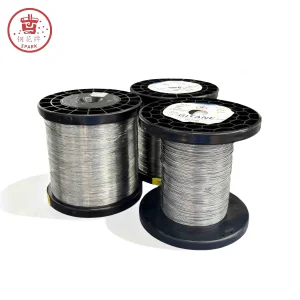
Wholesale Ultra High Temperature Electric Heating Wire SGHT
View Product Details →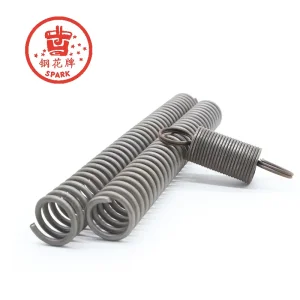
China Alumina Ceramic Fiber Resistance Wire Heating Plate
View Product Details →
Wholesale High-Quality Electric Heating Tubes Factory Solution
View Product Details →Industrial Furnace & Electrothermal Sourcing FAQ
Expert engineering answers to critical questions faced by plant managers, furnace builders, and procurement officers.
What is the absolute maximum operating temperature for SPARK electrothermal alloy wire? ∨
Maximum operating temperatures depend heavily on alloy composition and production metallurgy. Standard FeCrAl wire grades (such as 0Cr25Al5 and 0Cr23Al5) are rated up to 1250°C. Advanced micro-alloyed grades like SPARK HRE reach 1350°C, and SPARK SGHYZ operates reliably up to 1400°C. Our flagship powder-metallurgy grade, SPARK SGHT, achieves continuous operation up to 1425°C while maintaining exceptional resistance to thermal sag and creep deformation.
How do I determine whether FeCrAl or NiCr wire is best for my furnace retrofit? ∨
Selection depends on operating temperature, process atmosphere, and mechanical cycling:
- Choose FeCrAl (e.g., SGHT, 0Cr25Al5): If operating temperatures exceed 1200°C, if lower element weight and higher electrical resistivity are required, or if the furnace operates in oxidizing or sulphur-containing environments.
- Choose NiCr (e.g., Cr20Ni80, Cr30Ni70): If the application requires frequent thermal shock cycling, if post-service element ductility is necessary for maintenance re-coiling, or if operating in pure nitrogen gas atmospheres where nitriding must be minimized.
Why does heating wire prematurely burn out or form localized hotspots? ∨
Heating element failures stem primarily from three factors: 1. Excessive Surface Watt Density (W/cm²): Pushing more electrical energy through the wire surface than can be dissipated via radiation causes internal alloy overheating; 2. Atmospheric Contamination: Exposure to carbonaceous gases without a pre-oxidized alumina protection layer induces internal carburization and "green rot"; 3. Impure Alloy Raw Materials: Localized cross-sectional variations in low-grade wire lead to resistance spikes, creating destructive thermal hotspots.
In what delivery forms can SPARK electrothermal alloys be custom ordered? ∨
We supply alloys tailored to your manufacturing machinery across multiple forms: Round Wire (diameters from 0.05mm ultra-fine up to 12.0mm heavy gauge), Flat Ribbon & Cold-Rolled Strip (thicknesses 0.1mm–4.0mm, widths 5mm–200mm), Pre-Wound Spiral Heating Coils (custom mandrel diameter and pitch), and Fully Integrated Ceramic Heating Elements manufactured to your engineering CAD drawings.
What certifications and mill test reports accompany factory export shipments? ∨
All SPARK materials are manufactured under ISO 9001 certified quality control frameworks in compliance with Chinese National Standard GB/T 1234-2012. Every shipment includes comprehensive Mill Test Reports (MTR) detailing exact heat number chemical spectroscopy analysis, room-temperature electrical resistance, tensile strength, elongation percentages, and coil dimensional tolerances.
What lead times and logistical support are available for international OEMs? ∨
Standard alloy wire spools and stock ribbons ship within 7–10 business days. Custom engineered industrial furnaces and pre-fabricated spiral elements generally require 25–35 days for precision fabrication, PLC assembly, and factory trial testing. We offer full EXW, FOB, CIF, and DDP export logistics support including sea freight, air freight express, and heavy export wooden crate packaging.
Optimize Your Industrial Thermal Processing Today
Consult directly with SPARK thermal engineers to select the exact alloy wire, ribbon, or custom industrial furnace tailored to your precise temperature and atmosphere requirements.