
Featured Industrial Materials & Equipment
Discover our high-performance heating wires, industrial alloys, precision spectrometers, and furnace engineering systems tailored for heavy chemical, metallurgical, and thermal manufacturing operations.




Executive Overview: The Global Industrial Sulfur Ecosystem
Sulfur (S, Atomic Number 16) stands as one of the fundamental pillars of the global chemical process industry (CPI). Far beyond its classical role in crop nutrition, elemental sulfur serves as the vital precursor for sulfuric acid (H₂SO₄)—the ultimate barometer of a nation's chemical manufacturing maturity. Modern industrial procurement mandates an ultra-reliable, high-purity supply chain capable of delivering diverse physical forms, including bright yellow granular sulfur, molten/liquid sulfur, micronized sulfur powder, and insoluble sulfur engineered for specialized polymer vulcanization.
In today's complex international supply landscape, identifying a trusted wholesale sulfur supplier and manufacturing factory requires analyzing technical compliance, environmental refining standards, and bulk logistical capabilities. As global environmental regulations enforce stringent flue-gas desulfurization (FGD) and hydrodesulfurization (HDS) across crude oil refining and natural gas purification, China has emerged as a major manufacturing powerhouse. Through state-of-the-art Claus sulfur recovery units (SRU) coupled with Super-SCOT tail gas treatment systems, Chinese industrial complexes deliver exceptional elemental purity (≥99.5% to 99.99%) at unmatched economies of scale.
Strategic Advantages of Sourcing Sulfur from China Factories
China’s modern petrochemical and chemical manufacturing infrastructure provides distinct competitive benefits for global chemical procurement officers, agricultural blenders, and industrial manufacturers seeking stable wholesale supply agreements.
Advanced Recovery Technology
Utilizing multi-stage modified Claus processes integrated with catalytic oxidation and tail-gas hydrogenators, Chinese refining factories achieve elemental recovery rates exceeding 99.9%. This yields pristine, bright yellow sulfur virtually free of dark hydrocarbon staining.
Diverse Processing Capabilities
Chinese manufacturing hubs feature specialized processing lines for wet prilling, air-cooled granulation, micronization grinding, and chemical stabilization to produce granular, lump, flake, powder (325–1250 mesh), and insoluble sulfur variants.
Deep-Water Port Logistics
Proximity to world-class marine terminals such as Ningbo-Zhoushan, Qingdao, and Tianjin allows seamless bulk vessel loading, flexitank containerization, and heated ISO-tank shipments with rapid turnaround times for international buyers.
Rigorous Batch Control
Leading manufacturers enforce strict Quality Management Systems (QMS) compliant with ISO 9001:2015, utilizing modern X-Ray Fluorescence (XRF) and Gas Chromatography (GC) testing to certify zero contamination across bulk shipments.
Industry Development Trends Shaping the Global Sulfur Market
The global sulfur domain is experiencing a profound transformation driven by decarbonization mandates, evolving agricultural needs, and breakthrough materials science. Forward-looking procurement strategies must adapt to these macro trends:
1. Sustainable Green Refining & Circular Economy
Environmental directives (such as IMO 2020 low-sulfur marine fuels and Euro VI emissions standards) require petroleum refiners to extract higher quantities of hydrogen sulfide (H₂S) from heavy sour crudes. Factory desulfurization transforms environmental waste into purified commercial sulfur, driving circular economy loops.
2. Next-Generation Lithium-Sulfur (Li-S) Batteries
As energy storage requirements surpass conventional Lithium-ion lithium-cobalt-oxide chemistry, Lithium-Sulfur (Li-S) battery technology offers theoretical energy densities exceeding 2,500 Wh/kg. High-purity electronic-grade sulfur and advanced sulfur-carbon nanocomposites are witnessing skyrocketing demand in energy storage R&D.
3. Controlled-Release Agricultural Nutrition
Modern sustainable farming emphasizes Elemental Sulfur-Coated Urea (ESCU) and micronized sulfur agricultural dusts. These specialized formulations optimize soil pH, enhance nitrogen utilization efficiency, and provide crucial sulfur micro-nutrition without chemical leaching.
4. Specialized Insoluble Sulfur in Tire Manufacturing
High-performance radial tire construction demands high-thermal-stability insoluble sulfur (IS) to prevent "sulfur bloom" during unvulcanized rubber storage. Chinese chemical factories are actively expanding polymeric sulfur production capacity to meet global automotive specs.
Localized Application Scenarios & Macro Solutions
Sulfur serves as an indispensable reagent across a diverse industrial matrix. Below is an in-depth operational analysis of localized application scenarios requiring specific grade matching:
| Industrial Application | Recommended Form/Grade | Primary Function | Critical Parameter / Tolerance |
|---|---|---|---|
| Sulfuric Acid Synthesis | Bright Granular / Molten (99.5%-99.9%) | Thermal combustion to SO₂ followed by catalytic conversion to SO₃ | Organic content < 0.05%, Ash < 0.03% |
| Phosphate Fertilizer (MAP/DAP) | Commercial Granular / Lump | Acidulation of rock phosphate feedstock | Moisture < 0.5%, Purity ≥ 99.5% |
| Rubber Vulcanization | Insoluble Sulfur / Micronized Powder (325 Mesh) | Polymer cross-linking to establish elastomeric elasticity | Thermal stability > 85% at 105°C, Zero bloom |
| Agrochemical Fungicides | Wettable Sulfur Powder (325-1250 Mesh) | Direct foliar sprays for powdery mildew and mite control | Suspension rate > 80%, Particle size < 10 microns |
| Fine Chemical & Pharmaceutical | Ultra-Pure Precipitated / High-Purity Powder | Synthesis of thiosulfates, sulfites, and active pharmaceuticals | Arsenic < 2 ppm, Heavy metals < 10 ppm |
| Mining & Metal Extraction | Molten / Bulk Granular | Leaching agent for copper, nickel, and uranium ores | High throughput delivery, cost-efficiency |
Macro Industry Solutions: Technical Engineering & Custom Delivery
To resolve operational bottlenecks faced by chemical plant managers, leading Chinese suppliers deliver complete macro-engineering solutions:
- Thermal-Jacketed Molten Transport: Supplying liquid sulfur at maintained temperatures of 135°C–145°C in dedicated steam-heated ISO tank containers, eliminating re-melting energy overheads at downstream acid plants.
- Anti-Caking & Dust Suppression: Applying food-grade surface oiling additives (<0.2%) on granular sulfur to prevent fugitive dust generation during automated bulk conveyor handling and ship unloading.
- Custom Particle Size Distribution (PSD): Precision air-jet milling to deliver customized mesh spectrums for specialized fireworks, explosives, match production, and chemical synthesis.
Global Procurement Framework & Specification Matrix
Procuring wholesale industrial sulfur on an international scale demands rigorous quality assurance protocols. Standardized material specifications ensure seamless integration into automated chemical production lines.
| Quality Characteristic | High-Purity Industrial Grade | Standard Commercial Grade | Testing Standard (ASTM / GB) |
|---|---|---|---|
| Purity (Dry Basis) | ≥ 99.90 % | ≥ 99.50 % | GB/T 2449-2014 / ASTM D4534 |
| Mass Fraction of Organic Matter | ≤ 0.03 % | ≤ 0.10 % | Gravimetric Ignition Analysis |
| Ash Content | ≤ 0.02 % | ≤ 0.05 % | ASTM D482 / High Temp Calcination |
| Moisture Content | ≤ 0.10 % | ≤ 0.50 % | Karl Fischer Titration / Oven Dry |
| Acidity (as H₂SO₄) | ≤ 0.003 % | ≤ 0.005 % | Acid-Base Neutralization Titration |
| Arsenic (As) Content | ≤ 0.0001 % (1 ppm) | ≤ 0.0005 % (5 ppm) | ICP-OES / Atomic Absorption |
| Physical Appearance | Bright Canary Yellow Granules | Yellow Granules / Pellets / Flakes | Visual Colorimetry Comparison |
Supply Chain Risk Mitigation in B2B Contracts: B2B sales contracts should always mandate third-party pre-shipment inspections carried out by accredited international bodies such as SGS, Bureau Veritas (BV), or Intertek. Inspection certificates must verify purity metrics, moisture tolerances, and bulk draft survey weights prior to vessel departure.
Industrial Alloy & Precision Component Lines
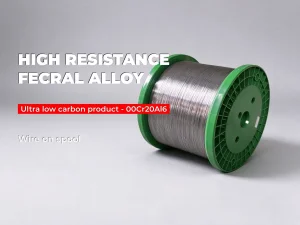
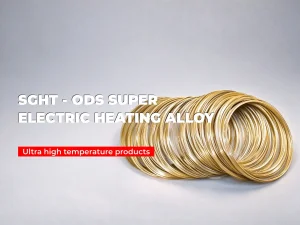
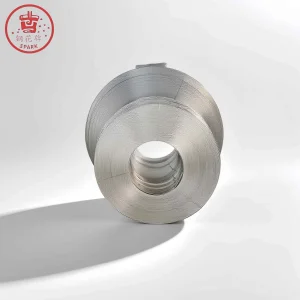
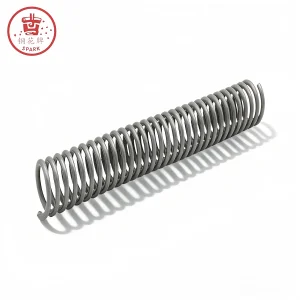
Explore additional high-temperature FeCrAl heating alloys, bare wires, and specialized powder metallurgy products directly from our certified manufacturing workshops.


Quality Compliance, Environmental Governance & Global Logistics
Navigating international chemical shipments requires strict adherence to environmental regulations, safety standards, and specialized packaging protocols. Responsible manufacturing facilities incorporate environmental management systems alongside bulk shipping expertise.
1. International Regulatory Compliance (REACH, RoHS & ISO)
For European Union and North American destinations, industrial chemical shipments must possess comprehensive REACH registration dossiers (Registration, Evaluation, Authorisation and Restriction of Chemicals). Furthermore, manufacturing facilities certified under ISO 14001 (Environmental Management) and ISO 45001 (Occupational Health & Safety) ensure that sulfur recovery processes maintain minimal sulfur dioxide (SO₂) stack emissions, satisfying global ESG (Environmental, Social, and Governance) purchasing criteria.
2. Hazardous Material Logistics & Transport Packaging
While elemental sulfur is classified under UN 1350 (Class 4.1 Flammable Solid), standard commercial forms such as formed granules, prills, and pellets are frequently exempt from hazardous transport regulations when passing specific test criteria (such as the UN Test N.1 for flammable solids). Suppliers offer specialized industrial packaging options:
- Flexible Intermediate Bulk Containers (FIBC / Jumbo Bags): 1,000 kg or 1,250 kg woven polypropylene bags with moisture-proof polyethylene inner liners, UV stabilization, and anti-static discharge threads.
- 25 kg / 50 kg Multi-Wall Paper or PP Bags: Palletized and shrink-wrapped for precise inventory management in small-to-medium chemical blending plants.
- Bulk Vessel Chartering: Full or part-charter bulk carriers loaded directly via automated covered conveyance systems for multi-thousand ton consignments.
Frequently Asked Questions (FAQ)
Answers to key technical, logistical, and commercial inquiries for industrial wholesale sulfur buyers.
What is the difference between Granular, Molten, and Powdered Sulfur?
Molten Sulfur: Liquid sulfur maintained at 135°C–145°C. Supplied directly via pipeline or thermal-jacketed ISO tanks to sulfuric acid producers, eliminating re-melting energy requirements.
Powdered / Micronized Sulfur: Finely ground sulfur (ranging from 100 to 1250 mesh). Engineered for agricultural crop dusts, rubber vulcanization, explosives, and fine chemical reactions.
How does organic ash content affect sulfuric acid production?
What packaging options are available for bulk export shipments?
- Bulk Vessel Loading (10,000 to 50,000+ metric tons) for mega-scale acid and fertilizer plants.
- 1,000 kg / 1,200 kg Jumbo Bags (FIBC) in 20-foot containerloads (FCL).
- 25 kg PP bags palletized and shrink-wrapped (20–25 MT per 20ft container).
- Steam-heated ISO Tank Containers for molten liquid deliveries.