
Featured High-Temperature Alloys & Elements
Engineered for High Weld Integrity, Thermal Fatigue Resistance, and Superior Oxidation Lifespan
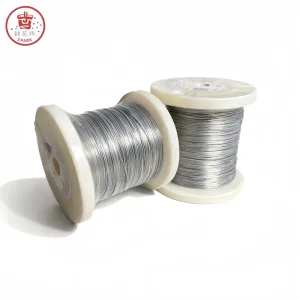
China High-Temperature Cr30Ni70 Alloy Wire - Durable 50 Hours @ High Temp | China Suppliers & Factory Manufacturer, Pricelist
View Specifications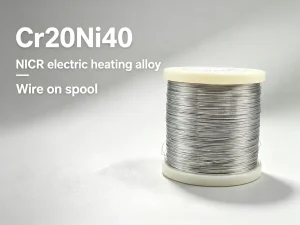
China High-Temperature Cr20Ni40 Nickel Chrome Heating Wire from China Suppliers - Durable Alloy Factory up to 1100℃ Manufacturer, Supplier
View Specifications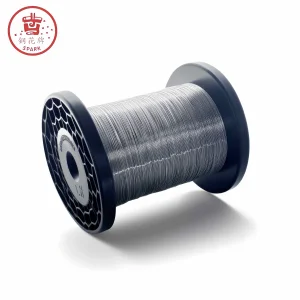
China High-Performance 0Cr23Al5 Alloy Wire from China Suppliers - Superior High-Temperature Resistance and Oxidation Resistance Factory Supplier
View Specifications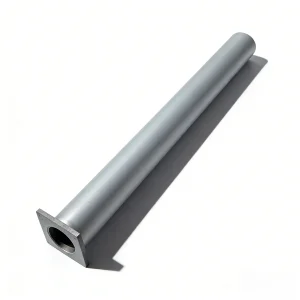
Wholesale High-Quality Electric Heating Tubes from China Suppliers - Efficient Heating Solutions by Leading Factory Supplier, Factory
View Specifications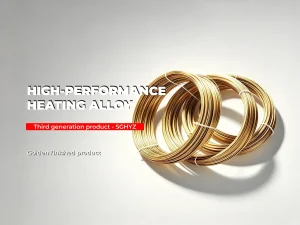
Wholesale SGHYZ FeCrAl Heating Wire | 1400°C Golden High Temperature Resistance Alloy Factory, Quotes
View Specifications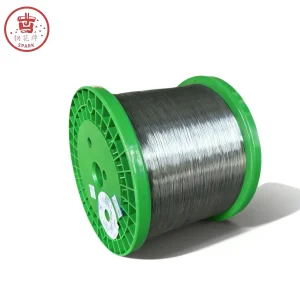
China High-Performance Electric Heating Wire SPARK 0Cr20Al6 - China Suppliers & Factory for 1350℃ Applications Suppliers, Pricelist
View Specifications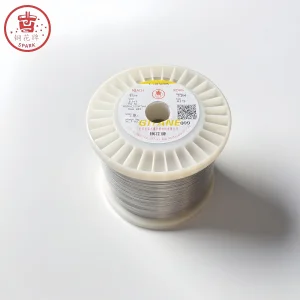
China High-Performance Cr20Ni80S Electric Heating Alloy from China - Reliable Supplier & Factory for Thermal Environments Suppliers, Factories
View Specifications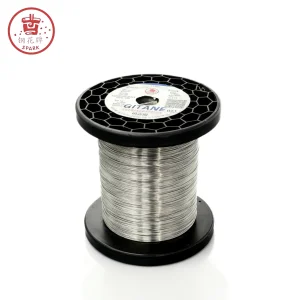
China High-Temperature Electric Heating Wire HRE 1350℃ - China Suppliers & Factory for Powder Metallurgy Applications Manufacturers, Factories
View Specifications1. Executive Summary & Metallurgical Foundations of Resistance Joint Integrity
Understanding the Metallurgical Physics Behind TIG, Resistance, and Laser Welding in High-Temperature Resistance Alloys
In modern high-temperature industrial electric heating engineering, the electrical and mechanical integrity of thermal elements is dictated by the performance of their joint connections. Industrial electric furnaces, semiconductor diffusion chambers, ceramic sintering kilns, and high-efficiency heating tubes depend on electrical heating alloys—primarily Iron-Chromium-Aluminum (FeCrAl) and Nickel-Chromium (NiCr) systems. Achieving reliable, low-resistance, and creep-resistant joins across these alloys represents a major engineering bottleneck.
Joining thermal alloys via tungsten inert gas welding (TIG/GTAW), resistance spot/seam welding (RSW), and precision laser beam welding (LBW) requires precise control over heat input, local grain boundary transformation, phase precipitation, and aluminum oxide scale behavior. As a leading manufacturer with over 60 years of metallurgical heritage under the Shougang Group, Beijing Shougang Gitane New Materials Co., Ltd. produces high-purity SPARK brand resistance alloys specifically optimized for superior joinability and microstructural stability after thermal cycling.
1.1 The Metallurgy of Weldability: FeCrAl vs. NiCr Systems
The metallurgical mechanisms governing joinability vary dramatically between FeCrAl alloys (such as 0Cr25Al5, 0Cr23Al5, HRE, SGHYZ, and powder-metallurgy SGHT) and NiCr alloys (such as Cr20Ni80, Cr30Ni70, and Cr20Ni40):
- FeCrAl Alloy Systems (Ferritic Structure): Ferritic FeCrAl alloys undergo rapid grain coarsening when exposed to temperatures exceeding 950°C during fusion welding. The Heat-Affected Zone (HAZ) experiences significant grain growth, which decreases room-temperature ductility. Furthermore, aluminum forms a refractory oxide scale ($\text{Al}_2\text{O}_3$) that must be disrupted during fusion or resistance processes to avoid oxide entrapment and electrical hotspot creation.
- NiCr Alloy Systems (Austenitic Structure): Austenitic NiCr alloys exhibit outstanding ductility, superior hot strength, and excellent post-weld flexibility. However, they are susceptible to micro-hot cracking in the fusion zone if trace impurities like sulfur, phosphorus, or silicon accumulate at grain boundaries. Controlling grain boundary segregation through ultra-clean vacuum melting is paramount for flawless laser and TIG joining.
Information Gain Insight: The Role of Rare Earth Element Pinning
SPARK brand ultra-high temperature FeCrAl alloys (such as SGHYZ and SGHT) incorporate micro-alloyed rare earth elements (Yttrium, Zirconium, Reactive Elements) that act as grain boundary pinners. During TIG and Laser welding, these nano-precipitates mitigate catastrophic grain growth in the HAZ, boosting post-weld joint mechanical strength by up to 35% compared to conventional commercial FeCrAl wires.
2. Deep Engineering Analysis: TIG, Resistance, and Laser Joining Methods
Process Optimization, Parameter Control, and Microstructural Integrity
1. Tungsten Inert Gas (TIG / GTAW) Welding
TIG welding remains the industry benchmark for joining thick-gauge resistance heating elements, terminal rod leads, and heavy furnace strip coils.
- Shielding Gas Dynamics: High-purity Argon (99.999%) or Argon-Helium mixes to prevent oxidation.
- Current Management: Pulsed DC current minimizes total heat input, controlling the width of the HAZ ferritic grain coarsening zone.
- Filler Metal Selection: Matching composition filler wires (e.g., SPARK HRE or 0Cr25Al5 fillers) preserve local oxidation resistance and electrical resistivity.
2. Resistance Spot & Seam Welding (RSW)
Ideal for rapid, solid-state, high-volume production of heating elements, fine wire meshing, and heating tube wire-to-pin connections.
- Contact Resistance Control: Oxide scales are mechanically or chemically cleaned prior to spot welding to ensure consistent contact resistance.
- Joule Heating Precision: High current density applied over millisecond pulses creates a localized pressure weld without melting the adjacent element wire.
- Electrode Selection: Class 2 (Cu-Cr-Zr) or Class 3 (Cu-Ni-Be) copper alloy electrodes prevent sticking and copper contamination on alloy surfaces.
3. Precision Laser Beam Welding (LBW)
The ultimate solution for micro-joining, thin foil strip connecting, and automated high-speed element manufacturing.
- Ultra-Low Heat Input: Fiber and Nd:YAG lasers yield extremely narrow fusion zones and negligible HAZ width, preserving wire mechanical ductility.
- Keyhole Dynamics: Precise beam spot alignment allows joint overlap accuracy down to ±0.02mm without thermal distortion.
- Automated Repeatability: Perfect for integrated OEM assembly lines producing heating tubes, sensors, and micro-heaters.
3. Global Macro Industrial Status & Comprehensive Solutions
Navigating Energy Transitions, High-Temperature Efficiency, and Supply Chain Resilience
Global Thermal Processing & Decarbonization Trends
The global manufacturing sector is undergoing an aggressive transition from gas-fired heating to zero-carbon electric thermal systems. High-temperature industrial furnaces operating in photovoltaic silicon production, lithium-ion battery cathode sintering, advanced ceramics, and semiconductor wafer thermal processing require heating elements capable of continuous service up to 1400°C–1425°C.
Connection failures account for over 68% of unexpected heating furnace downtime. When a joint fails due to creep strain, thermal fatigue, or high electrical resistance oxidation, entire production lines stall. Wholesale buyers, furnace EPC contractors, and OEM element fabricators demand factory-tested resistance wires that guarantee robust weldable metallurgy alongside extended operating lifetimes.
SPARK Integrated Macro Solutions for Global OEM/Wholesale Buyers
Beijing Shougang Gitane offers a fully integrated technical manufacturing chain that directly addresses global industrial pain points:
- Custom Surface Conditioning: Pickled, bright-annealed, or pre-oxidized wire surfaces optimized for automated laser and resistance welding lines.
- Tailored Alloy Chemistry: Carbon, Nitrogen, and Sulfur impurities restricted to ultra-low levels (ppm scale) via vacuum induction melting (VIM) and electroslag remelting (ESR).
- Turnkey Element Fabrication: Direct supply of spooled wires, flattened ribbons, pre-wound spirals, ceramic rod bundles, and pre-welded radiant tube cores.
4. Technical Matrix: Weldability & Parameter Engineering Guide
Standardized Engineering Specifications for SPARK Resistance Alloys
| Alloy Grade | Alloy Family | Max Temp (°C) | Preferred Joining Process | Shielding / Atmosphere Requirements | Post-Weld Heat Treatment (PWHT) |
|---|---|---|---|---|---|
| SGHT | FeCrAl (PM ODS) | 1425°C | Precision Laser / Resistance Weld | Argon (99.999%) / Vacuum | Not required; avoid excessive HAZ dwell time |
| SGHYZ | FeCrAl (Rare Earth) | 1400°C | Pulsed TIG / Laser Welding | High-purity Ar + 2% H2 mix | Stress relief anneal @ 800°C recommended for heavy gauge |
| HRE | FeCrAl High-Temp | 1350°C | Pulsed TIG / Spot Welding | Pure Argon Gas Shielding | Air cool after rapid joint cycle |
| 0Cr25Al5 | FeCrAl Standard | 1250°C | TIG / Resistance / Laser | Argon Shielding | Preheat heavy sections (>4mm) to 200°C |
| Cr20Ni80 / Cr20Ni80S | NiCr High-Ductility | 1200°C | TIG / Resistance / Laser / Brazing | Argon / Nitrogen / Hydrogen | None required; excellent post-weld flexibility |
| Cr30Ni70 | NiCr Super-Alloy | 1250°C | Laser / Micro-TIG / RSW | Argon (99.99%) Shielding | None required; superior creep resistance |
5. Localization Support, Quality Assurance & Global Compliance
Ensuring Regulatory Compliance, Traceability, and On-Site Engineering Support
Stringent Standards Compliance
All SPARK electric heating alloys are manufactured strictly in accordance with national and international standards, including GB/T 1234-2012, ASTM B603, DIN 17470, and JIS C2520. Products comply fully with EU RoHS, REACH, and environmental directives.
Complete Chemical & Batch Traceability
Every spooled wire, coil, or fabricated element shipped from our Changping, Beijing facility carries a certified Mill Test Report (MTR). Heat numbers, chemical composition analysis, electrical resistivity measurements, and mechanical tensile testing records are tracked back to raw melt stock.
Global Technical Service Network
We provide global wholesale partners with localized engineering support, including joint metallurgical analysis, welding parameter setup guidance, custom element geometry calculations, and emergency replacement inventory programs across Europe, Americas, and Asia-Pacific.
6. Localized Application Scenarios & Real-World Deployments
Engineered Reliability Across Demanding Industrial Environments
Automotive & EV Battery Manufacturing
In automated paint curing lines and EV lithium battery cathode roller hearth kilns, SPARK FeCrAl strips joined via precision laser welding deliver uninterrupted 24/7 thermal performance under continuous cycling. Zero weld cracking guarantees zero particle contamination in cleanroom kiln environments.
Photovoltaic Solar Wafer & Semiconductor Diffusion
High-purity SGHYZ and SGHT heating cores inside ceramic radiant tubes require flawless TIG welded lead-out terminals. Resistance to atmospheric carburization and localized thermal stress prevents resistance alteration across high-yield semiconductor growth furnaces.
7. Technology Roadmap & Future Outlook (2025–2030)
Pioneering Next-Generation High-Temperature Material Joining Technologies
1. Automated Micro-Laser Laser Wire Feeding
Developing fully integrated fiber laser welding heads with active coaxial wire feeding systems designed specifically for ultra-fine high-resistance wires (diameter < 0.10mm) used in medical and aerospace sensors.
2. Powder Metallurgy (PM) ODS Alloy Expansion
Expanding our proprietary SGHT oxide dispersion strengthened alloy production lines. PM processes suppress fusion-zone micro-porosity during resistance spot welding, raising thermal creep thresholds beyond 1425°C.
3. AI-Driven Weld Quality Inspection
Implementing inline optical and thermal imaging AI monitoring on automated element production lines. Real-time melt pool monitoring ensures zero joint defects prior to factory shipment.
8. Frequently Asked Questions (FAQ) - Engineering & Procurement
Expert Answers to Critical Joining, Technical Specification, and Order Questions
Why does FeCrAl wire become brittle near the weld joint after high-temperature exposure?
FeCrAl alloys have a ferritic crystal structure. When heated above ~950°C during fusion processes (such as TIG welding), rapid grain coarsening occurs in the Heat-Affected Zone (HAZ). Additionally, aluminum and chromium can form localized embrittling phases upon slow cooling. To mitigate embrittlement, use low-heat pulsed TIG or laser welding, minimize current dwell time, and allow the joint to cool rapidly in air. Utilizing rare-earth modified grades like SPARK SGHYZ significantly restricts grain growth compared to basic commercial grades.
Which welding method is best for joining FeCrAl heating wire to stainless steel terminal rods?
Resistance spot welding (RSW) and pulsed TIG welding are the most reliable methods for connecting FeCrAl wire to stainless steel (e.g., AISI 304 or 310S) terminal rods. When TIG welding, use a nickel-rich intermediate filler metal (such as NiCrFe fillers or SPARK Cr20Ni80 wire) to buffer the thermal expansion mismatch and suppress brittle sigma-phase formation at the ferritic-austenitic interface.
How should surface oxide scale be handled before resistance spot welding?
FeCrAl alloys form a dense, electrically insulating aluminum oxide ($\text{Al}_2\text{O}_3$) surface layer when exposed to heat or pre-oxidizing treatments. Prior to resistance spot welding, this oxide layer must be mechanically abraded (using stainless steel wire brushing or fine grit sanding) or chemically etched at the contact point. Failure to remove oxide scale leads to erratic contact resistance, severe sparking, poor nugget formation, and electrode wear.
What are the primary differences between FeCrAl and NiCr alloys regarding post-weld ductility?
NiCr alloys (austenitic structure) remain highly ductile after welding and after long-term elevated temperature operation. They can be repeatedly cold-bent or serviced without breaking. FeCrAl alloys (ferritic structure) lose room-temperature ductility once subjected to temperatures above 950°C. Therefore, any mechanical forming or coiling of FeCrAl elements must be executed prior to welding or performed while warming the joint area to 200°C–300°C.
Can SPARK supply pre-welded elements, custom wire coils, and ceramic core assemblies?
Yes. Beijing Shougang Gitane offers complete OEM fabrication services. We supply precision-wound spiral coils, wave-shaped strip elements, ceramic bundle rod radiant tubes, and factory-tested pre-welded terminal assemblies made to customer engineering drawings and tolerance specifications.
What packaging and quality documentation are provided with wholesale alloy orders?
All wholesale orders are packaged in moisture-proof, export-grade wooden cases or reinforced spools with inner plastic sealing. Each shipment is accompanied by full ISO 9001 compliance documentation, including Mill Test Reports (MTRs) detailing heat chemistry, electrical resistance values, mechanical properties, and dimensional inspection records.
Complete Industrial Heating Alloy & Element Catalog
Explore Direct Factory Products Available for Global Wholesale & OEM Orders
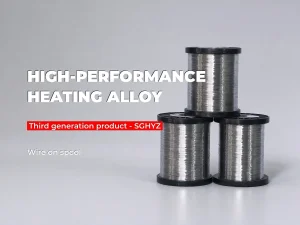
Wholesale SGHYZ Resistance Heating Wire | Premium FeCrAl Alloy for 1400°C High-Temperature Industrial Service Supplier, Suppliers
View Specifications
China High-Performance Cr20Ni80S Electric Heating Alloy from China Suppliers - Ideal for Thermal Environments Factory Direct Factory, Quotes
View Specifications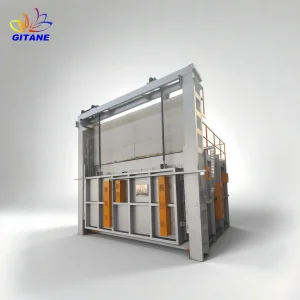
Wholesale Customized Industrial Furnaces from China: High-Efficiency Solutions by Leading Suppliers and Factory Manufacturer, Manufacturers
View Specifications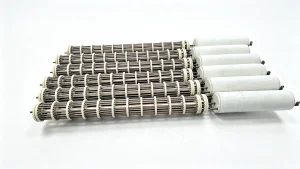
China SPARK Ceramic Bundle Rod Radiant Tube Heating Core | China Suppliers & Factory for Industrial Furnace Heating Elements Manufacturer, Quotes
View Specifications
Wholesale Gitane: Leading China Suppliers of Customized Industrial Furnaces from a Trusted Factory for Energy Efficiency Supplier, Pricelist
View Specifications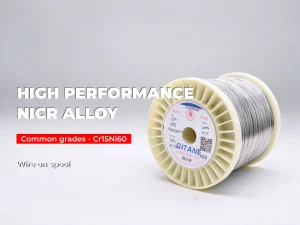
China Cr15Ni60 1150°C NiCrFe Heating Wire | 0.05-1.0mm Bright Spool Suppliers, Pricelist
View Specifications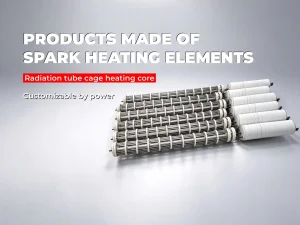
Wholesale SPARK Ceramic Radiant Tube Heating Core | High-Precision Industrial Furnace Element from China Suppliers & Factory Manufacturer, Pricelist
View Specifications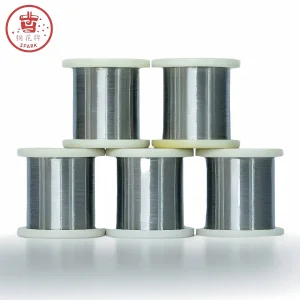
China China Suppliers Factory - SPARK Cr20Ni80 Electric Heating Wire / Resistance Wire for High-Temperature Applications Manufacturer, Factories
View Specifications