
Featured High-Temperature Alloys & Tubular Elements
Explore our factory-direct B2B catalog of precision electric heating wire, high-temp FeCrAl alloys, NiCr resistance elements, and heavy-duty tubular heating components. All items comply with GB/T 1234-2012 and ISO 9001 standards.
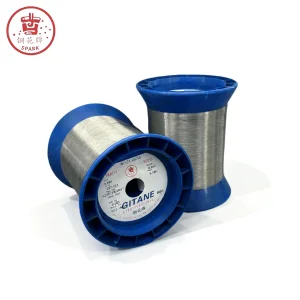
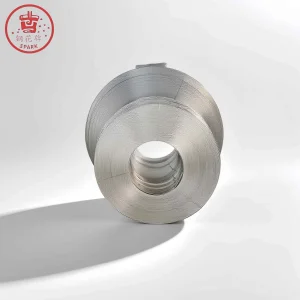




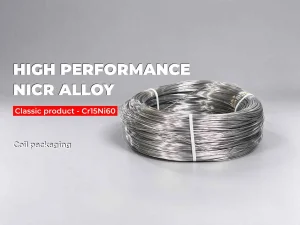
Industrial Electric Heating Tubes: Metallurgical Insights & Engineering Procurement
In modern thermal processing, heavy industrial manufacturing, petrochemical refining, and semiconductor manufacturing, electric heating tubes (tubular heating elements) serve as the core thermal transformation mechanism. Selecting the optimal wholesale electric heating tube supplier demands far more than reviewing unit prices. Technical buyers, OEM furnace designers, and plant engineering managers must evaluate key engineering parameters: dielectric compaction density, sheath oxidation kinetics, wire-to-sheath thermal transfer coefficients, and watt density limits ($W/cm^2$).
Beijing Shougang Gitane New Materials Co., Ltd. (SPARK brand) leverages over 60 years of state-backed metallurgical mastery to engineer advanced resistance alloys, including FeCrAl (Iron-Chromium-Aluminum) and NiCr (Nickel-Chromium) wires integrated into industrial electric heating tubes rated for continuous operation up to 1425°C. This comprehensive whitepaper provides B2B decision-makers with the technical roadmaps, macro industry solutions, compliance protocols, and total cost of ownership (TCO) evaluation frameworks required to optimize procurement outcomes.
Technical Roadmap & Future Outlook: Next-Generation Electric Heating Tubes
The global transition toward decarbonization and industrial electrification is driving unprecedented demand for high-efficiency electric thermal solutions. Fuel-fired combustion systems are rapidly being replaced by precision-controlled industrial electric heating tubes in glass melting, aluminum holding furnaces, and green hydrogen generation plants. Below is the decade technological roadmap shaping electric heating element manufacturing:
Powder Metallurgy (PM) FeCrAl Cores
Traditional melt-cast FeCrAl alloys suffer from thermal sag and grain growth at temperatures above 1300°C. Advanced Powder Metallurgy alloys (such as SPARK SGHT) utilize micro-dispersion oxide strengthening (ODS). This halts grain boundary sliding, boosting yield strength at high temperatures and raising max operating thresholds to 1425°C without deformation.
Nanostructured MgO Insulation
Magnesium Oxide (MgO) powder acts as the critical dielectric interface between the resistance wire coil and the metal sheath. Future electric heating tubes utilize sub-micron, surface-treated electro-fused MgO with compaction density exceeding 3.0 g/cm³, yielding thermal conductivity over 4.5 W/m·K while maintaining leakage current below 0.1 mA at elevated voltages.
Multi-Layer Composite Sheaths
To resist severe chemical degradation in modern chemical synthesis, sheath metallurgy is evolving from single-alloy tubing (e.g., SS316L or Incoloy 800H) to co-extruded bimetallic sheaths featuring outer refractory skins (Inconel 600 or Silicon Carbide ceramic coatings) designed to resist carburization, sulfidization, and chlorine gas attack.
Sheath Metallurgy & Watt Density Calculations
When requesting engineering quotes for wholesale electric heating tubes, calculating the allowable Watt Density ($W/cm^2$) is crucial. Exceeding allowable watt density causes rapid sheath oxidation, dielectric dielectric breakdown of MgO, and core wire burnout.
Watt Density Formula for Tubular Heating Elements
Watt Density (W/cm²) = P / (π × D × L_heated)
Where: P = Total Wattage Rating (Watts), D = Outer Sheath Diameter (cm), L_heated = Active Heated Length of Element (cm).
Sheath Material Selection Matrix
| Sheath Alloy Material | Max Operating Temp | Recommended Medium / Environment | Max Watt Density (W/cm²) |
|---|---|---|---|
| Incoloy 800H / 840 | 850°C (1560°F) | High-temp air, radiant heating, corrosive water | 6.5 - 9.0 W/cm² |
| Inconel 600 | 1100°C (2012°F) | Carburizing atmospheres, furnace gas heating | 8.0 - 12.0 W/cm² |
| Stainless Steel 316L | 650°C (1200°F) | Deionized water, mild acid solutions, food service | 4.5 - 7.0 W/cm² |
| Stainless Steel 304 | 450°C (840°F) | Oils, liquid heating, forced air convection | 3.0 - 5.5 W/cm² |
| Titanium Grade 2 | 315°C (600°F) | Plating baths, seawater, highly aggressive nitric acids | 2.0 - 3.5 W/cm² |
| SPARK SGHT FeCrAl Tube | 1425°C (2597°F) | Ultra-high-temp industrial kilns, ceramic sintering | 10.0 - 15.0 W/cm² |
Macro Industrial Sector Solutions
Electric heating tubes engineered by SPARK are customized for heavy industrial installations. Below is how our thermal solutions solve complex operational challenges across key B2B market sectors:
1. Petrochemical & Hydrogen Refineries
High-pressure flange immersion heaters up to 500 kW capacity. Utilizing Incoloy 800H sheathing and ATEX/IECEx explosion-proof junction enclosures, these tubular bundles heat gas streams, heavy crude oils, and high-purity hydrogen up to 300 bar pressures.
2. EV Lithium Battery Slurry Drying
Precise infrared quartz and tubular radiant heating banks engineered for continuous roll-to-roll drying of cathode/anode lithium slurry. Provides ultra-uniform surface thermal profiling within ±1.5°C to eliminate micro-cracking in battery foils.
3. Semiconductor CVD & Epitaxial Chambers
Ultra-high purity heating assemblies using SPARK 0Cr21Al6Nb and SGHT powder metallurgy wire. Eliminates trace metal outgassing during high-vacuum Chemical Vapor Deposition (CVD) and Atomic Layer Deposition (ALD) wafer processing.
4. Photovoltaic Polysilicon Ingot Furnaces
Heavy-section FeCrAl resistance heating coils and ceramic-supported tubular elements capable of continuous 1350°C thermal exposure during solar-grade silicon crystallization cycles.
5. Automotive Heat Treatment & Tempering
Plug-in radiant tube heaters for continuous carburizing and tempering furnaces. Engineered to withstand carbon potential atmospheres without soot-induced short circuits or premature sheath embrittlement.
6. Food Processing & Commercial Sanitization
FDA and 3-A Sanitary compliant SS316L electric heating elements. Designed with electropolished surfaces preventing organic build-up and scale accumulation in beverage pasteurization boilers.
Localized Support & Global Compliance Framework
Exporting industrial heating products worldwide requires strict adherence to international electrical safety, pressure vessel, and environmental standards. SPARK provides full engineering compliance documentation with every wholesale shipment:
Electrical & Pressure Standards
• CE PED (2014/68/EU): Pressure Equipment Directive certification for flange heater vessels.
• UL 1030 / CSA C22.2: Safety compliance for electric heating elements in North American markets.
• ASME Section VIII Div 1: Stamped pressure vessel manufacturing capability for industrial boilers.
Explosion-Proof & Hazardous Zones
• ATEX & IECEx Certified: Ex d / Ex e explosion-proof terminal boxes rated for Zone 1 and Zone 2 hazardous gas and dust environments.
• IP66 / IP67: Ingress protection ensuring dust-tight and heavy seas weather resistance for offshore platforms.
Material Traceability & Testing
• EN 10204 3.1 Mill Test Certificates: Full chemical heat analysis and mechanical physical test logging.
• RoHS & REACH Compliant: Zero heavy metal contamination (Lead, Cadmium, Hexavalent Chromium free).
• 100% NDT Inspection: X-ray weld examination, hydrostatic pressure testing up to 1.5x working pressure, and Hi-Pot electrical testing.
China Smart Factory 4.0: Supply Chain Resilience & Efficiency
As part of the prestigious Shougang Group, Beijing Shougang Gitane operates an advanced 88,000 m² smart production base in Changping, Beijing. Our vertical integration—from raw material melting in vacuum induction furnaces to automated wire drawing, annealing, and final tube assembly—delivers unparalleled supply chain security for international OEM partners.
Vertical Melt-to-Element Control
Unlike non-integrated element assemblers who outsource resistance wire, SPARK melts its own high-purity master alloys. This ensures absolute batch-to-batch chemical homogeneity, eliminating hot spots caused by localized resistivity fluctuations.
Automated Tube Filling & Swaging
Utilizing Swiss-engineered multi-station automatic MgO filling machines and computer-controlled rotary swaging mills, we achieve precise dielectric compaction densities up to 3.2 g/cm³, extending element service life by over 40%.
Short Lead Times & Global Logistics
With automated inventory buffering for raw NiCr/FeCrAl wires and standard stainless tubing, standard wholesale custom heating tube quotes are fulfilled within 2–3 weeks, backed by multimodal shipping via Tianjin port or Beijing capital airfreight hub.
B2B Procurement & Total Cost of Ownership (TCO) Guide
When evaluating supplier pricing for wholesale electric heating tubes, looking strictly at the unit purchasing price ($/piece) often leads to higher operational costs over time. Industrial heating elements are consumable capital assets; unexpected downtime can cost thousands of dollars per hour in lost production.
TCO Calculation Framework
Total Cost of Ownership (TCO) = Capex (Purchase Price) + Opex (Energy Consumption) + Downtime Costs (Failure Rate × MTTR) - Scrap Value
Evaluating Energy Efficiency
High-grade electro-fused MgO combined with high-purity SPARK FeCrAl wire maximizes heat transfer efficiency ($\eta > 98.5\%$). Over 10,000 operational hours, a 2% improvement in thermal transfer saves significantly more money than the initial purchase cost of the heating tube.
Failure Analysis & MTBF
SPARK elements undergo rigorous Mean Time Between Failures (MTBF) testing. By preventing localized hotspots and dielectric breakdowns, our industrial heating tubes demonstrate up to 3x the service life of lower-grade market alternatives in severe cycling duties.
Wholesale Tier Pricing & RFQ Checklist
When submitting an RFQ, provide:
1. Required Wattage & Voltage (e.g., 10kW, 480V 3-Phase)
2. Sheath Material & Dimensions (Diameter, Heated Length)
3. Operating Medium & Temperature Profile
4. Mounting Flange or Thread Fittings (ASME/DIN)
Frequently Asked Questions (FAQ) for Technical Buyers
Detailed technical answers to common engineering and procurement inquiries regarding industrial electric heating tubes and resistance wire selection:
Complete Product Line: Ultra-High Temp Wires & Tubular Alloys
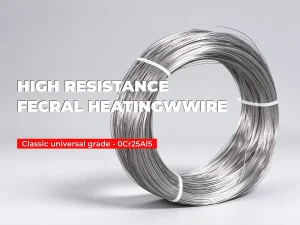
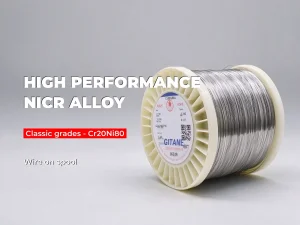
Browse the second section of our high-temperature resistance product inventory, featuring SGHT 1425°C powder metallurgy tubes, FeCrAl resistance wire coils, and premium Nichrome alloys.
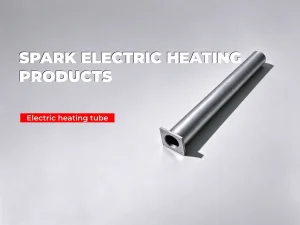



Request Wholesale Quotes & Custom Engineering Assistance
Connect directly with Shougang Gitane metallurgical application engineers. Receive detailed engineering proposals, CAD drawings, sample coils, and direct factory tier quotes within 24 business hours.
Inquire For Factory Direct Quote