
Who Is the Best Nichrome Wire Supplier in China?

Time:2026-11-20 Author:Mason
0%

Choosing the best Nichrome Wire supplier in China takes more than comparing prices or polished product photos. Buyers need to know whether a factory can hold alloy composition, wire diameter, and resistance within agreed specifications. A spool that looks uniform may still vary under heat. Small differences matter. For heating elements, laboratory equipment, and industrial components, stable performance depends on material records, process control, and repeatable testing. Ask for the grade designation, diameter tolerances, available tempers, coil dimensions, and inspection documents before placing a large order. A clear answer is useful; a vague promise is not.

Supplier evaluation should also include practical details: sample lead time, minimum order quantity, packaging, export experience, and how the team handles nonconforming batches. Request recent test data or a certificate tied to the lot, then compare it with your application requirements. If possible, test a sample under realistic current, temperature, and operating cycles. Experience helps, but no supplier should be judged from one conversation alone. Not always. Price, capacity, and technical support can differ widely, and a low quote may omit testing or careful packaging. This guide explains how to assess Chinese Nichrome Wire manufacturers, compare evidence, and identify questions worth asking before committing. The best choice is the supplier that meets your specifications consistently and communicates clearly when something changes. Even a good checklist has limits; verify claims with documents and samples.
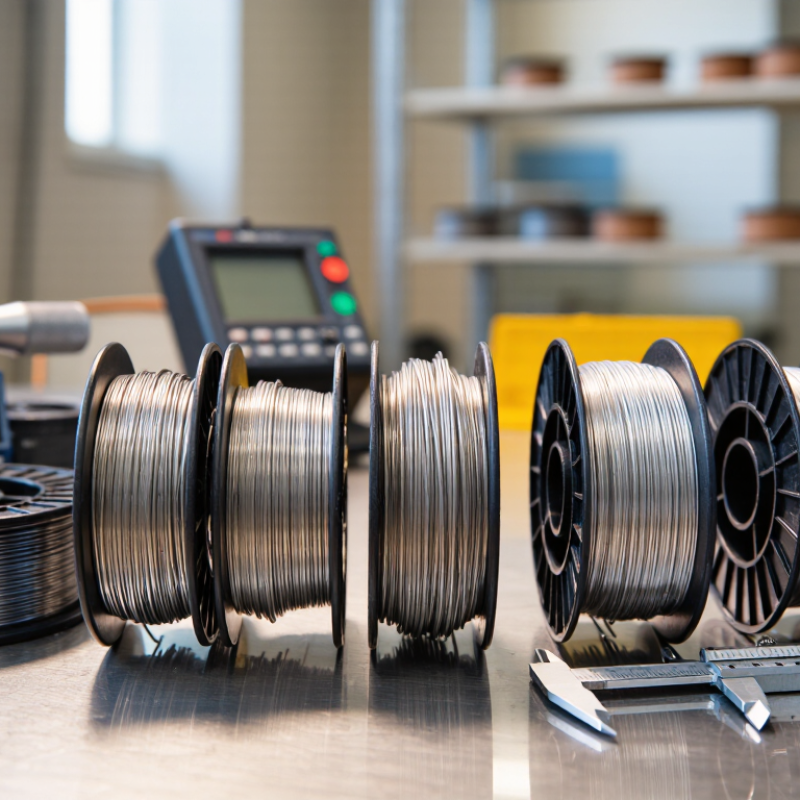
Who Is the Best Nichrome Wire Supplier in China?

What Is Nichrome Wire and How Is It Used?

Nichrome wire is an electrical resistance alloy, commonly made from nickel and chromium. When current passes through it, the wire heats up. Its chromium-rich surface forms a protective oxide layer, helping it resist oxidation during repeated heating. It is often supplied as straight wire or wound into coils. The wire may look ordinary on a spool. Its behavior under heat is what makes it useful.

You can find nichrome heating elements in small appliances, laboratory equipment, and industrial ovens. In a coil, the wire’s length and diameter affect its electrical resistance and heat output. A technician might check the coil’s resistance with a meter before fitting it, then confirm that its supports can tolerate the operating temperature. These details matter. A wire that is too thin may overheat, while a poorly supported coil can sag as it gets hot.

Choosing a suitable grade depends on temperature, atmosphere, wire size, and the heating device’s electrical requirements. Moisture or chemical vapors can also affect service life. On paper, selection seems simple; in real equipment, small design differences matter. I would not judge suitability from a temperature rating alone. The operating conditions need checking.

How Is Nichrome Wire Manufactured in China?

Manufacturing nichrome wire in China starts with selecting and weighing nickel, chromium, and any other specified alloying elements. The recipe depends on the intended resistance, operating temperature, and wire diameter. Metal is melted in a controlled furnace, then cast into billets or rods. Temperature and atmosphere need close monitoring; contamination can affect the finished wire. Small differences matter.

The cast stock is hot-worked, then drawn through progressively smaller dies to reach the required diameter. Drawing can harden the metal, so manufacturers use annealing between passes to restore ductility. The wire is cleaned, inspected, and wound into coils. Checks may include diameter, surface condition, tensile properties, and electrical resistance; buyers should confirm which tests are included. The process isn't perfectly uniform. A supplier’s material certificate and sample testing can help verify that a shipment matches its specification, especially when resistance tolerances are tight. Packaging also matters: moisture or rough handling can damage wire surfaces before it reaches a production line. Quality depends not only on equipment, but on process control and honest documentation.

What Should Buyers Look for in a Chinese Supplier?

A reliable Chinese nichrome-wire supplier makes its process inspectable, not merely its catalogue attractive. Confirm the alloy grade, wire diameter, resistance range, delivery form, and tolerances in writing. Ask for a batch-linked test certificate showing chemical composition and electrical resistance. Check that the test methods match your purchase specification. A polished certificate is not enough. The batch number should match the labels on the coils and shipping documents.

Raw-material exposure matters, too. The USGS Mineral Commodity Summaries 2024 estimated global nickel mine production at 3.6 million metric tons in 2023; Indonesia accounted for 1.8 million. Mine output does not prove wire quality, but it helps explain why buyers should ask about alloy surcharges, quote validity, and how price changes are handled. Request a clear explanation, not just a short-lived price.

Before placing a large order, test a sample on your own equipment. Measure resistance at the specified temperature, inspect the surface for cracks or uneven oxidation, and check whether the wire winds consistently around a mandrel. Ask about production capacity, lead times, packaging, and how nonconforming batches are handled. I would not reject the lowest quote automatically; I would compare it against test results, traceability, and delivery commitments. One detail is easy to overlook: confirm that the supplier can reproduce the same specification across repeat orders.

Who Is the Best Nichrome Wire Supplier in China? - What Should Buyers Look for in a Chinese Supplier?

Evaluation Dimension What Buyers Should Request Why It Matters Positive Evaluation Signal
Alloy identification Request the exact alloy designation, applicable material specification, and a batch-specific chemical composition report. “Nichrome” covers nickel-chromium resistance alloys with different compositions and properties; the name alone does not define a complete material specification. The supplier identifies the alloy clearly and provides documentation traceable to the supplied batch.
Product specification Provide and confirm wire diameter, dimensional tolerances, delivery condition, coil or spool format, and any surface requirements in writing. Clear specifications reduce the risk of receiving wire that cannot be processed or fitted into the intended application. The quotation and order confirmation state the agreed requirements rather than relying on a general product description.
Testing and inspection Ask which checks are performed and request relevant reports, such as chemical analysis, dimensional inspection, or electrical-resistance testing where applicable. Test methods and acceptance criteria should match the product specification and intended use. Reports identify the tested batch and show results against agreed requirements.
Quality management Ask for the scope and validity of any quality-management-system certification, and verify the certificate with its issuing body where possible. A management-system certificate can indicate documented processes, but it does not by itself prove that a particular wire batch meets the buyer’s requirements. The supplier explains how incoming materials, production, inspection, and nonconforming products are controlled.
Production capability Confirm that the supplier can make the requested diameter range, tolerances, quantity, and packaging, and ask about production lead time. Capability and schedule depend on the specific product and order; they should be confirmed rather than assumed from a catalogue. The supplier gives a product-specific feasibility assessment and a realistic delivery schedule.
Traceability Ask how coil or spool identification links to production records, inspection results, and material certificates. Traceability helps investigate quality issues and distinguish one production batch from another. Labels and documents use consistent batch or lot references.
Sample and application validation Request a sample for evaluation under the buyer’s actual processing and operating conditions before placing a large order. Performance can depend on wire dimensions, component design, operating temperature, atmosphere, and service conditions. The supplier provides a representative sample and supports a review of the agreed test results.
Packaging and shipment Specify coil or spool type, protective packaging, labels, shipment terms, and required export documents before order confirmation. Packaging and documentation affect handling, identification, transport, and import clearance. The supplier confirms packaging details and document responsibilities in the quotation or sales contract.
Technical communication Discuss the application, operating conditions, required properties, and any applicable customer or industry specifications with the supplier’s technical team. Technical clarification helps ensure that the selected wire is suitable for the intended design rather than merely matching a product name. Answers are specific, consistent, and supported by relevant technical documents.
Commercial terms and after-sales support Review quotation validity, payment terms, delivery commitments, complaint handling, and the process for addressing nonconforming goods. Written terms establish how delivery changes and quality concerns will be handled. Responsibilities, response channels, and remedies are stated clearly before purchase.

Buyer’s note: There is no single supplier that is best for every application. Compare suppliers against the same written specification, verify documents, and validate samples for the intended use. This table is a selection checklist, not a ranking of companies.

How Can Nichrome Wire Suppliers Be Compared?

Who Is the Best Nichrome Wire Supplier in China?

How Can Nichrome Wire Suppliers Be Compared?

Compare suppliers against the same written specification. Check alloy composition, wire diameter, resistance per meter, and stated temperature range. Ask how each value is measured and reported. A neat data sheet is useful, but it cannot replace a sample. Measure the sample’s diameter at several points, then test resistance with suitable equipment. Small details matter.

Tips: Request a material certificate, batch traceability, and clear packaging details. Confirm whether the supplier can provide samples before a larger order. Keep your own test notes.

Also compare production consistency, lead time, and how technical questions are handled. A supplier should explain tolerances plainly and flag limits rather than promise every result. Ask what changes between batches and how defects are recorded. A polished quotation can still leave gaps; I would check the test method twice, because this is easy to overlook. If possible, run a small trial under your intended heating conditions and inspect the wire for uneven color, deformation, or unstable resistance. Then compare the measured results with your specification, not just with sales claims.

FAQS

Which metals are used to make nichrome wire?

Nickel, chromium, and sometimes other specified alloying elements are weighed and melted. The recipe depends on resistance, temperature, and wire diameter.

How is the wire shaped to its final diameter?

Cast metal is worked into rods, then drawn through smaller dies. Annealing between drawing passes can restore ductility.

What quality checks may be performed?

Checks can cover diameter, surface condition, tensile properties, and electrical resistance. Confirm which tests are included.

Why should buyers request a material certificate?

It records material details and can help verify a shipment against its specification. Batch traceability is useful, too.

How can a sample be checked before a larger order?

Measure its diameter at several points and test resistance with suitable equipment. Keep your own notes.

What details should suppliers be compared on?

Use the same written specification for alloy composition, diameter, resistance per meter, and temperature range. Small details matter.

Why test wire under intended heating conditions?

A small trial can reveal uneven color, deformation, or unstable resistance. I would still recheck the readings.

Can packaging affect wire quality?

Yes. Moisture or rough handling can damage the surface before production begins. Not always obvious.

Conclusion

Nichrome Wire is a nickel-chromium alloy wire valued for its resistance to heat and oxidation. These properties make it useful in heating elements, industrial furnaces, and other applications that require reliable performance at elevated temperatures. Its suitability depends on factors such as alloy composition, wire diameter, operating conditions, and the demands of the end use.

In China, Nichrome Wire is manufactured through controlled alloy preparation, melting, forming, and drawing processes, followed by checks for dimensions and material consistency. Buyers assessing suppliers should consider product specifications, quality-control practices, production capacity, technical support, delivery reliability, and clear communication. To compare suppliers fairly, request matching specifications and samples where appropriate, then evaluate consistency, service, and overall value—not price alone. The best choice is the supplier whose capabilities align with the application’s performance requirements and purchasing needs.

Mason

Mason

Mason is a seasoned marketing professional with a deep expertise in the company's offerings and a passion for driving brand awareness. With a strong background in digital marketing strategies, he has an innate ability to connect with diverse audiences and effectively communicate product benefits.......